

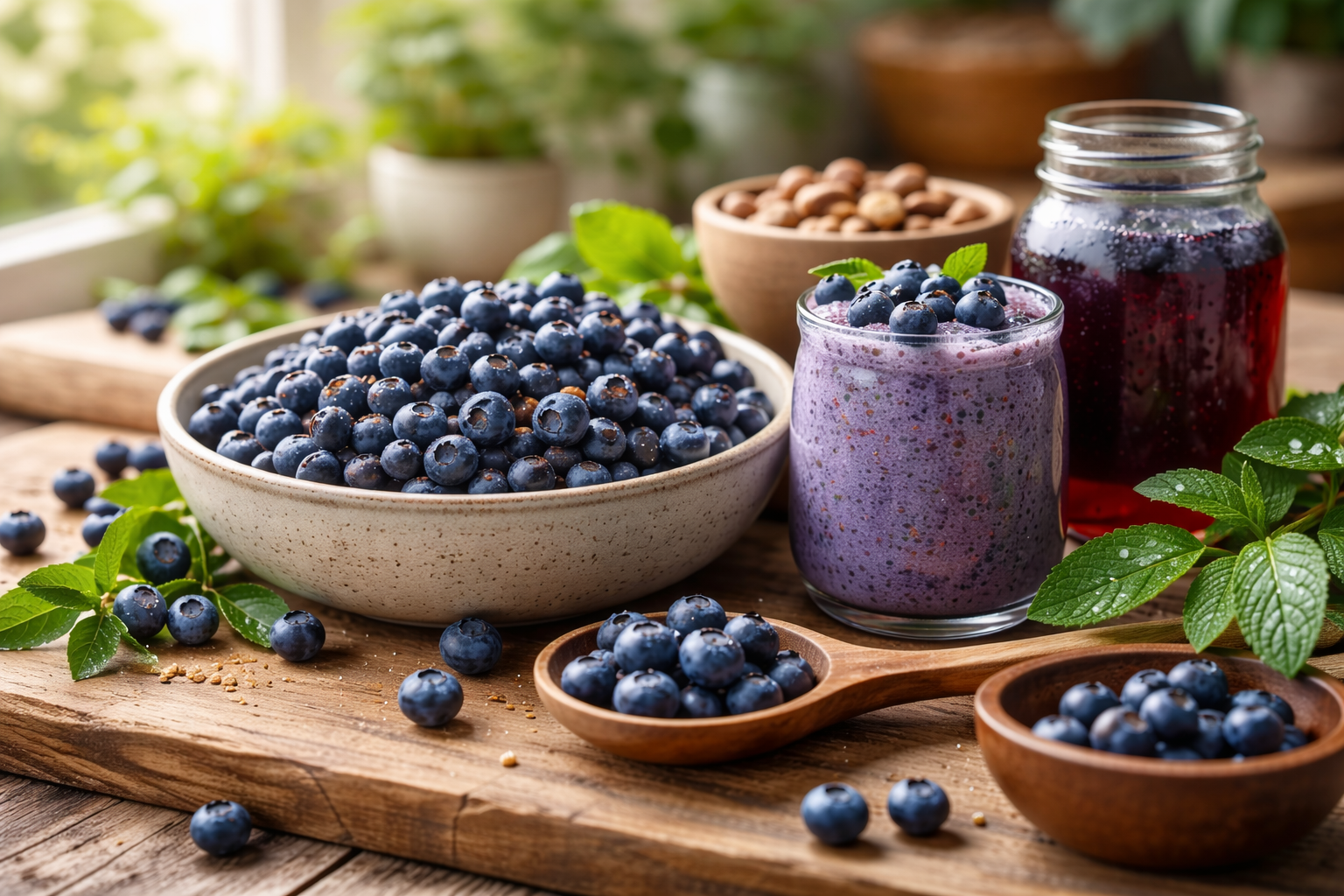
A few summers ago, during a slow hike along a quiet northern trail, I discovered something small but memorable—tiny dark berries scattered across the landscape. A local hiker pointed them out and told me they were wild Alaskan blueberries for brain health and anti-aging, a fruit that people in northern regions have valued for generations.
Since then, I’ve been fascinated by how such a small berry could hold so much nutritional value. Today, wild Alaskan blueberries for brain health and anti-aging are becoming one of the most talked-about natural foods in wellness circles. Their deep color, rich flavor, and natural plant compounds make them a simple yet powerful ingredient in diets that support long-term health.
While trends often come and go, these berries remind us that some of the most valuable foods are the ones that grow naturally and have been part of traditional diets for centuries.
Why Wild Alaskan Blueberries for Brain Health and Anti-Aging Are Different
When people talk about wild Alaskan blueberries for brain health and anti-aging, they’re often referring to the natural concentration of plant nutrients these berries contain.
Unlike cultivated blueberries grown on farms, wild varieties grow in colder northern environments. These conditions often lead to smaller berries with deeper pigment and a more intense nutritional profile.
Their dark purple-blue color comes from anthocyanins, plant compounds known for their antioxidant properties.
Antioxidants help support the body’s natural balance by interacting with unstable molecules that appear during normal metabolic processes.
Wild blueberries are also rich in:
- Polyphenols
- Vitamin C
- Natural fiber
- Flavonoids
These compounds work together as part of a balanced diet rather than acting as isolated nutrients.
If you’re interested in improving overall health habits, you might also explore simple nutrition habits that support healthy aging and longevity within the Kyani Journal.
How Wild Alaskan Blueberries Support Brain Health
The growing interest in wild Alaskan blueberries for brain health and anti-aging is closely connected to research around berries and cognitive wellness.
Many nutrition experts emphasize the importance of colorful plant foods in supporting brain function over time.
The anthocyanins found in blueberries are particularly interesting because they contribute to the berry’s deep color and are widely studied within plant-based nutrition research.
According to the Harvard T.H. Chan School of Public Health, berries are often included in dietary patterns associated with long-term brain health and cognitive wellness.
What makes berries helpful in everyday nutrition is their combination of:
- Antioxidants
- Fiber
- Natural vitamins
- Plant-based polyphenols
Together, these nutrients support overall dietary balance.
You can also learn more about natural ways to support mental clarity focus and long term brain health through everyday nutrition choices in the Kyani Journal.
Wild Alaskan Blueberries and Anti-Aging Nutrition
When discussing wild Alaskan blueberries for brain health and anti-aging, it’s important to remember that healthy aging is usually about supporting the body’s natural systems rather than chasing quick fixes.
Many longevity-focused diets emphasize:
- Plant-based foods
- Antioxidant-rich ingredients
- Balanced nutrition patterns
Wild blueberries fit naturally into these dietary patterns.
Their plant compounds—including anthocyanins and polyphenols—are commonly found in colorful fruits and vegetables that contribute to balanced nutrition.
The World Health Organization recommends diets rich in fruits and vegetables as part of strategies that support long-term health and wellbeing.
If you’re curious about building a balanced lifestyle, the Kyani Journal also shares insights on how colorful fruits and vegetables support antioxidant intake and cellular health in everyday nutrition routines.
Easy Ways to Add Wild Alaskan Blueberries for Brain Health and Anti-Aging to Your Diet
One of the best things about wild Alaskan blueberries for brain health and anti-aging is how easy they are to include in daily meals.
You don’t need complicated recipes or strict meal plans.
Here are a few simple ways to enjoy them:
Morning bowls
Add berries to oatmeal, yogurt, or smoothie bowls.
Smoothies
Blend frozen blueberries with greens, banana, and protein for a balanced smoothie.
Salads
A handful of berries adds natural sweetness to leafy green salads.
Healthy snacks
Pair berries with nuts or seeds for a quick and satisfying snack.
Small daily choices like these gradually build a more nutrient-rich diet.
You might also find helpful ideas in the Kyani Journal’s guide to daily routines that improve energy focus and overall wellbeing through sustainable lifestyle practices.
Why Traditional Foods Often Become Modern Superfoods
Many foods considered “superfoods” today have long histories in traditional diets.
Wild berries are a great example.
In northern communities, berries were gathered during summer months and preserved for colder seasons. They provided natural nutrients when fresh produce was limited.
Today, these same foods are gaining attention in modern nutrition conversations.
But perhaps the most valuable lesson is this: healthy eating doesn’t always require complicated strategies.
Often, it simply means returning to whole foods that have supported human health for generations.
Wild Alaskan blueberries are a small but meaningful reminder that sometimes the most powerful ingredients grow quietly in nature.
FAQ: Wild Alaskan Blueberries for Brain Health and Anti-Aging
Are wild Alaskan blueberries healthier than regular blueberries?
Wild blueberries are often smaller and can contain higher concentrations of plant compounds such as anthocyanins, which contribute to their antioxidant properties.
Do blueberries support brain health?
Berries are commonly included in dietary patterns associated with brain health because they contain antioxidants, polyphenols, and vitamins that support overall nutrition.
Why are blueberries considered anti-aging foods?
Blueberries contain plant compounds that support cellular balance and are often included in diets focused on healthy aging.
How often should you eat blueberries?
Including berries several times a week as part of a balanced diet can help increase plant-based nutrient intake.
Can frozen blueberries still provide nutritional benefits?
Yes. Frozen blueberries typically retain most of their nutrients and are a convenient way to include berries in everyday meals.