

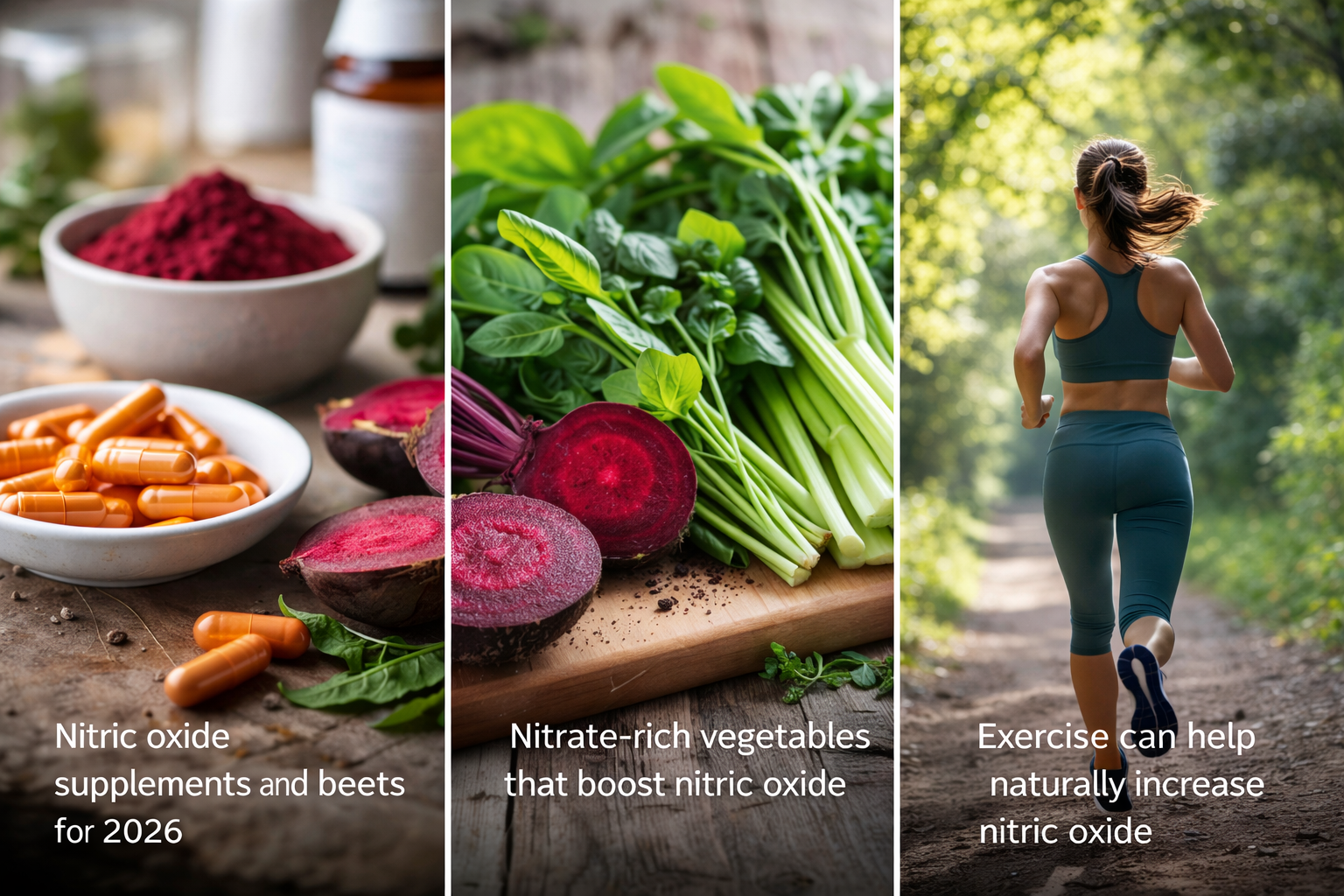
Over the past few years, while traveling and experimenting with different wellness habits, I’ve become increasingly curious about nitric oxide supplements in 2026 and the role nitric oxide plays in supporting energy, circulation, and physical performance. Energy rarely comes from quick fixes. Instead, it grows quietly from daily routines—good sleep, simple food, long walks, and paying attention to how the body actually feels.
Recently, conversations around nitric oxide supplements in 2026 have become more common in wellness communities. At first, it sounded like just another passing trend. But the more I read and experimented with natural habits that support nitric oxide production, the more I realized something important: this molecule has always been part of our biology.
Understanding how nitric oxide supplements in 2026 work—and how natural lifestyle choices influence nitric oxide levels—can help you approach energy, exercise, and wellbeing with more clarity.
Let’s explore what nitric oxide actually does, what current research suggests about supplements, and how simple daily habits can naturally support healthy nitric oxide levels.
What Is Nitric Oxide and Why Nitric Oxide Supplements in 2026 Matter for Energy
Nitric oxide is a naturally occurring molecule produced by the body. Its primary role is to help relax and widen blood vessels, which allows blood to flow more efficiently throughout the body.
This process supports several important functions, including:
- Healthy circulation
- Oxygen delivery to muscles
- Exercise performance
- Cellular communication
Because nitric oxide influences blood flow, it has become a topic of interest in wellness and fitness discussions. Many people exploring nitric oxide supplements in 2026 are curious about whether supporting nitric oxide levels can help improve physical endurance or overall vitality.
According to the National Institutes of Health, nitric oxide plays an important role in cardiovascular signaling and vascular function.
While supplements are often discussed, the body also produces nitric oxide naturally through diet and lifestyle habits.
Potential Benefits of Nitric Oxide Supplements in 2026
Interest in nitric oxide supplements in 2026 has grown particularly among people focused on exercise, circulation, and daily energy levels.
Some commonly discussed potential benefits include:
Improved Circulation with Nitric Oxide Support
Nitric oxide helps relax blood vessels, which supports smoother blood flow. Efficient circulation allows oxygen and nutrients to move more easily through the body.
Exercise Performance and Nitric Oxide Boosting Supplements
Because oxygen delivery to muscles improves with better circulation, nitric oxide has become a popular topic in athletic and fitness communities.
Many pre-workout products contain ingredients intended to support nitric oxide production.
Muscle Recovery and Nitric Oxide Circulation Support
Some people explore nitric oxide support as part of post-exercise recovery routines, especially after endurance workouts.
Everyday Vitality and Natural Nitric Oxide Levels
Beyond exercise, healthy circulation may influence how energized and alert you feel during the day.
Still, it’s important to remember that supplements should complement—not replace—healthy habits. Balanced nutrition, movement, and rest remain foundational.
For more daily wellness practices that support overall vitality, explore the Kyani Journal’s Wellness section:
Possible Side Effects of Nitric Oxide Supplements in 2026
Whenever supplements gain attention, it’s worth approaching them thoughtfully.
Some people exploring nitric oxide supplements in 2026 report mild side effects such as:
- Digestive discomfort
- Headaches
- Changes in blood pressure
These effects are not universal, but they highlight why it’s important to approach supplements carefully and understand your own health needs.
The Mayo Clinic recommends discussing supplements with a healthcare professional, especially if you have cardiovascular conditions or take medications affecting blood pressure.
Another helpful reminder: many ingredients marketed as “nitric oxide boosters” actually support nitric oxide indirectly through amino acids or plant compounds.
That’s why lifestyle and nutrition still play a central role.
Natural Ways to Support Nitric Oxide Instead of Supplements
While nitric oxide supplements in 2026 receive attention, many natural habits help support nitric oxide production.
Over the past year, I started experimenting with a few simple changes—nothing extreme, just small adjustments that felt sustainable.
Here are some natural ways that may help support nitric oxide levels.
Nitrate Rich Vegetables That Boost Nitric Oxide Naturally
Certain vegetables naturally contain dietary nitrates that the body can convert into nitric oxide.
Examples include:
- Beets
- Spinach
- Arugula
- Lettuce
- Celery
Adding these foods to everyday meals can be one of the simplest ways to support nitric oxide production.
Physical Activity That Supports Natural Nitric Oxide Production
Movement encourages healthy circulation, which naturally supports vascular function.
Walking, cycling, and strength training can all contribute to improved blood flow.
If you’re interested in building a sustainable activity routine, explore the Kyani Journal’s Movement section:
Nutrition That Supports Nitric Oxide and Vascular Health
Foods rich in antioxidants, vitamins, and minerals help support overall cardiovascular health.
Some commonly discussed nutrients include:
- Vitamin C
- Polyphenols
- Plant-based antioxidants
The Harvard T.H. Chan School of Public Health highlights the role of plant-rich diets in supporting vascular health:
Sleep and Stress Balance That Supports Nitric Oxide Function
Sleep and stress influence many biological systems, including circulation and metabolic health.
During travel, I often notice that the days I sleep well and spend time outdoors are the days my energy feels most natural.
Sometimes the body simply needs rest and rhythm more than another supplement.
A Thoughtful Approach to Nitric Oxide Supplements in 2026 and Natural Energy
The conversation around nitric oxide supplements in 2026 reflects a broader shift in wellness culture. People are increasingly curious about how the body generates energy naturally.
But one lesson keeps appearing across cultures and experiences: sustainable energy usually grows from simple, consistent habits.
Nutritious food. Regular movement. Time outside. Rest.
Supplements can play a role for some people, but they tend to work best when they support—not replace—the foundations of health.
In that sense, nitric oxide is less about chasing performance and more about understanding how the body already works.
Sometimes the most powerful wellness practices aren’t complicated at all. They’re the quiet routines that help the body function the way it was designed to.
FAQ: Nitric Oxide Supplements in 2026
What are nitric oxide supplements used for?
Nitric oxide supplements are commonly used to support circulation, exercise performance, and oxygen delivery to muscles. Many products contain ingredients that help the body produce nitric oxide naturally.
Do nitric oxide supplements increase energy?
Nitric oxide itself does not directly create energy, but improved blood flow may help oxygen and nutrients reach muscles more efficiently, which can influence physical performance and endurance.
Are nitric oxide supplements safe?
Many nitric oxide supplements are generally considered safe for healthy individuals, but some people may experience mild side effects. It’s best to consult a healthcare professional before starting new supplements.
What foods naturally increase nitric oxide?
Vegetables rich in dietary nitrates—such as beets, spinach, arugula, and lettuce—can help support nitric oxide production naturally.
Can exercise increase nitric oxide levels?
Yes. Physical activity encourages healthy blood flow and vascular function, which supports nitric oxide activity in the body.