
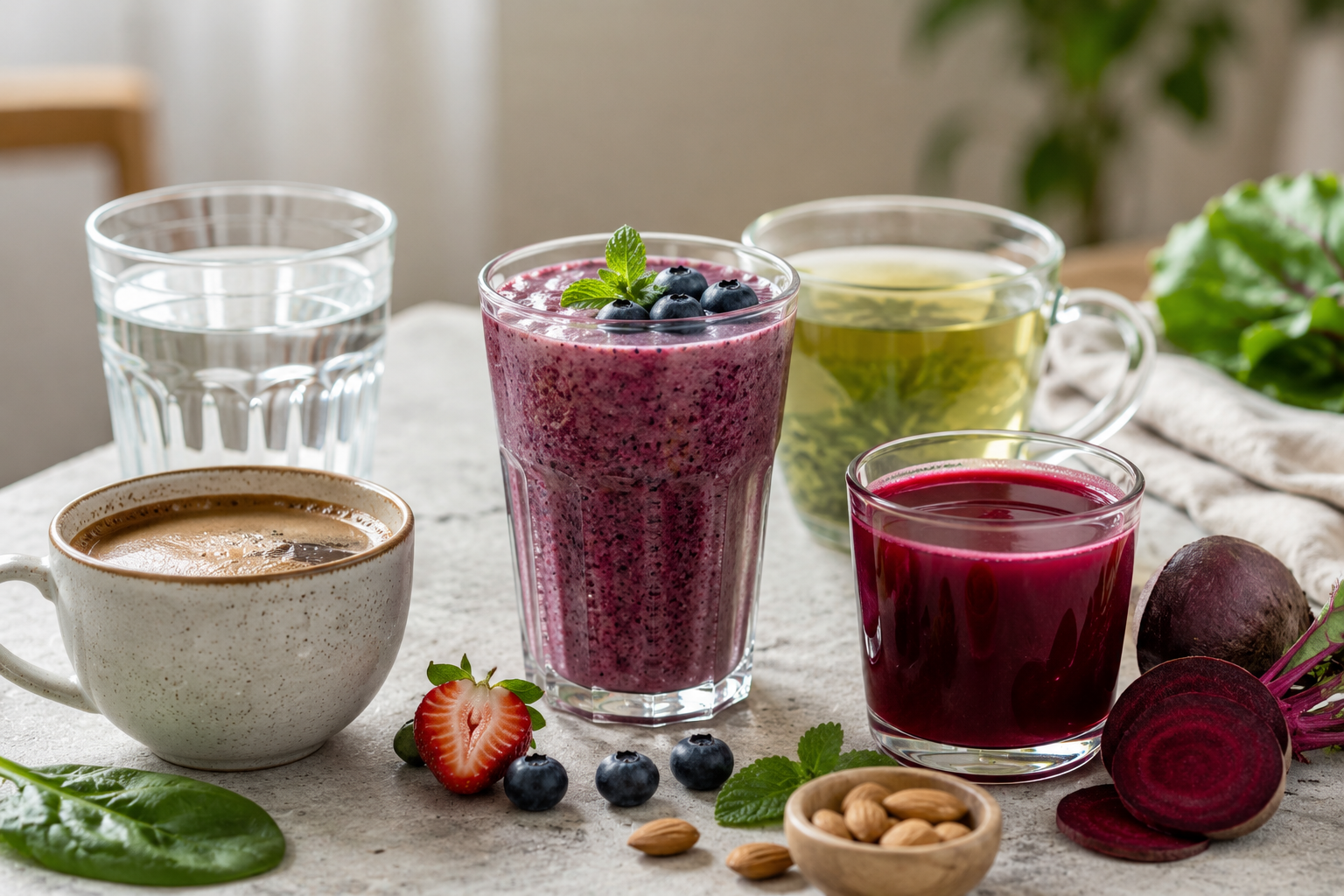
The best drinks for brain health include water, green tea, coffee, milk, beetroot juice and nutrient-rich smoothies as part of a balanced diet. Additionally, staying well hydrated supports normal brain function because even mild dehydration may affect attention, mood and cognitive performance. Therefore, choosing healthy beverages alongside nutritious foods, regular exercise and quality sleep provides the strongest foundation for lifelong brain health.
At a Glance
| Topic | Quick Fact |
|---|---|
| Most Important Drink | Water |
| Best Daily Habit | Stay hydrated throughout the day |
| Rich in Antioxidants | Green tea, coffee and berry smoothies |
| Supports Overall Health | Water, milk and vegetable-based drinks |
| Best Combined With | Balanced nutrition, exercise and quality sleep |
What the Research Says About the Best Drinks for Brain Health
Researchers continue to study how hydration and nutrition influence brain health. Although no single drink can guarantee better memory or concentration, healthy beverages provide fluids and nutrients that contribute to overall well-being.
Furthermore, several beverages naturally contain antioxidants, vitamins, minerals or plant compounds that researchers continue to investigate. However, the greatest benefits come from an overall healthy dietary pattern rather than relying on one “super drink.”
If you’re beginning your brain health journey, start with our Brain Health Guide to understand how nutrition, movement and lifestyle work together.
For evidence-based nutrition guidance, visit the Harvard Health Publishing website.
Table of Contents
- Why Hydration Matters
- Water and Brain Health
- Green Tea for Brain Health
- Coffee and Brain Health
- Beetroot Juice for Brain Health
- Frequently Asked Questions
- References
Why Hydration Matters for Brain Health
Water makes up a significant portion of the human body and plays an essential role in many normal bodily functions.
Because the brain depends on adequate hydration, drinking enough fluids throughout the day supports normal cognitive function and overall health.
Even mild dehydration may temporarily affect concentration, alertness and mood in some people.
Therefore, drinking water regularly is one of the simplest daily habits that supports overall wellness.
The NHS offers practical advice on healthy hydration and fluid intake.
Water for Brain Health
Water is often overlooked because it contains no calories, vitamins or minerals in significant amounts.
Nevertheless, it remains the most important beverage for supporting overall health.
Benefits of staying well hydrated include:
- Supporting normal brain function
- Helping regulate body temperature
- Supporting physical performance
- Supporting normal circulation
- Helping transport nutrients throughout the body
Rather than waiting until you feel thirsty, aim to drink fluids consistently throughout the day.
Green Tea for Brain Health
Green tea has been enjoyed for centuries and contains naturally occurring compounds such as catechins and L-theanine.
Researchers continue to study these compounds because they may contribute to overall health.
Additionally, green tea contains a moderate amount of caffeine, which may help support alertness in some people.
However, caffeine affects individuals differently, so moderation is important.
The Mayo Clinic provides practical information about caffeine and healthy beverage choices.
Coffee and Brain Health
Coffee is one of the world’s most popular beverages.
In addition to caffeine, coffee naturally contains several plant compounds, including antioxidants.
Research continues to explore how moderate coffee consumption may fit into an overall healthy dietary pattern.
Nevertheless, adding excessive sugar or high-calorie creamers may reduce the overall nutritional quality of coffee-based drinks.
Therefore, simple coffee preparations are generally a healthier choice than highly sweetened specialty beverages.
For additional information about coffee and health, explore Harvard Health Publishing.
Beetroot Juice for Brain Health
Beetroot juice naturally contains dietary nitrates.
Researchers continue to investigate how dietary nitrates may support normal blood flow and exercise performance.
Although beetroot juice has attracted attention in brain health research, it should be considered one component of a balanced diet rather than a standalone solution.
Consequently, pairing beetroot juice with a diet rich in vegetables, fruits and whole grains is a practical approach to supporting overall health.
Drinks That Complement a Brain-Healthy Lifestyle
Healthy beverages work best when combined with other evidence-based habits.
For example:
- Eat a balanced diet.
- Stay physically active.
- Sleep 7–9 hours each night (for most adults).
- Manage stress effectively.
- Stay socially engaged.
- Continue learning new skills.
Likewise, nutrients from healthy foods often work together more effectively than isolated nutrients from supplements.
Learn more in our Best Foods for Brain Health guide.
Brain-Healthy Drink Comparison
| Drink | Main Benefit | Naturally Contains |
| Water | Hydration | Water |
| Green Tea | Plant compounds and L-theanine | Catechins, caffeine |
| Coffee | Antioxidants | Caffeine, polyphenols |
| Beetroot Juice | Dietary nitrates | Nitrates |
| Milk | Protein and minerals | Calcium, protein |
| Berry Smoothie | Fruit nutrients | Vitamins, fiber, antioxidants |
Expert Tips for Choosing the Best Drinks for Brain Health
Rather than looking for one perfect beverage, build healthy hydration habits that you can maintain every day.
For instance:
- Carry a reusable water bottle.
- Choose water with meals.
- Replace sugary drinks with unsweetened options when possible.
- Enjoy coffee and tea in moderation.
- Include smoothies made with whole fruits instead of added sugars.
Overall, consistency matters more than occasional “healthy” choices.
Blueberry Smoothies for Brain Health
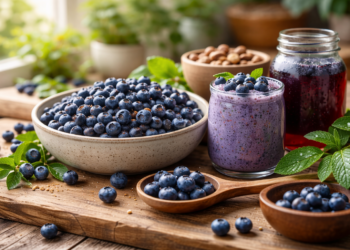
Blueberries are naturally rich in vitamins, fiber and plant compounds known as anthocyanins. Consequently, blueberry smoothies are a popular choice for people looking to include more fruit in their diet.
For the healthiest smoothie, blend whole blueberries with plain yogurt or milk and avoid adding excess sugar. Additionally, you can include spinach, oats or flaxseed to increase fiber and nutrient content.
To learn more about brain-supportive foods, read our Best Foods for Brain Health guide.
Pomegranate Juice for Brain Health
Pomegranate juice naturally contains polyphenols and other antioxidants that researchers continue to study.
Although pomegranate juice can be part of a balanced diet, choose products without added sugars whenever possible. Furthermore, enjoy juice in moderation because whole fruit generally provides more dietary fiber.
For evidence-based nutrition advice, visit the Academy of Nutrition and Dietetics.
Cocoa and Brain Health
Unsweetened cocoa contains naturally occurring flavanols, which researchers continue to investigate for their potential role in cardiovascular and cognitive health.
However, many commercial chocolate drinks contain high amounts of added sugar. Therefore, choosing unsweetened cocoa powder or drinks with minimal added sugar is usually the healthier option.
Turmeric Drinks for Brain Health
Turmeric is a spice commonly used in cooking and traditional diets.
Its active compound, curcumin, has attracted significant research interest. Nevertheless, scientists continue to study how curcumin is absorbed and how it may influence overall health.
Rather than relying solely on turmeric drinks, include turmeric as part of a varied, balanced eating pattern.
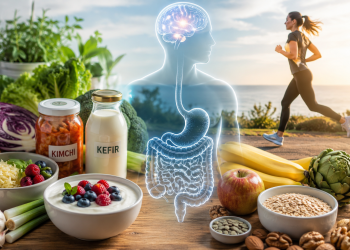
Kefir for Brain Health
Kefir is a fermented dairy beverage that contains live cultures.
Because fermented foods may contribute to a varied dietary pattern, kefir is often included in discussions about digestive health and the gut microbiome.
Likewise, a healthy gut may support overall wellness when combined with nutritious eating, regular exercise and quality sleep.
Learn more in our Gut Health and Brain Health guide.
Vegetable Juice for Brain Health
Fresh vegetable juices can provide vitamins, minerals and plant compounds.
For example, juices made from carrots, tomatoes, celery and leafy greens may be included as part of a healthy diet.
However, whole vegetables generally provide more fiber than juice alone. Therefore, vegetable juice should complement—not replace—whole vegetables.
Herbal Teas for Brain Health
Many people enjoy herbal teas because they are naturally caffeine-free or low in caffeine.
Popular choices include:
- Chamomile tea
- Peppermint tea
- Ginger tea
- Hibiscus tea
- Rooibos tea
Although herbal teas can support hydration, they should not be viewed as treatments for medical conditions.
The NHS provides general information about healthy eating and hydration.
Drinks to Limit for Better Brain Health
While many beverages can support a healthy lifestyle, others are best enjoyed less often.
Examples include:
- Sugar-sweetened soft drinks
- Energy drinks with high caffeine
- Highly sweetened coffee beverages
- Sugary milkshakes
- Excess alcohol
Reducing these drinks may help support overall dietary quality and long-term health.
The World Health Organization (WHO) provides recommendations on reducing free sugar intake.
Comparison Table: Best Drinks for Brain Health
| Drink | Key Nutrients or Compounds | Best Time to Enjoy |
|---|---|---|
| Water | Hydration | Throughout the day |
| Green Tea | Catechins, L-theanine | Morning or afternoon |
| Coffee | Caffeine, polyphenols | Morning |
| Beetroot Juice | Dietary nitrates | Before physical activity |
| Berry Smoothie | Vitamins, fiber, antioxidants | Breakfast or snack |
| Pomegranate Juice | Polyphenols | With meals |
| Kefir | Protein, live cultures | Breakfast or snack |
| Vegetable Juice | Vitamins and minerals | Lunch or afternoon |
| Herbal Tea | Naturally caffeine-free (many varieties) | Evening or anytime |
Sample Brain-Healthy Hydration Plan
Morning
- Glass of water after waking
- Green tea or coffee with breakfast
Mid-Morning
- Water
- Fresh fruit
Lunch
- Water or vegetable juice
Afternoon
- Berry smoothie or kefir
Dinner
- Water
Evening
- Herbal tea
This simple routine encourages steady hydration throughout the day without relying on sugary beverages.
Simple Tips for Choosing Healthy Drinks
Healthy beverage choices don’t have to be complicated.
Instead, follow these practical habits:
- Keep a reusable water bottle nearby.
- Choose unsweetened beverages whenever possible.
- Read nutrition labels carefully.
- Limit drinks with added sugars.
- Include whole fruits in smoothies.
- Drink water before reaching for sugary beverages.
- Enjoy coffee and tea in moderation.
Small changes made consistently often have a greater long-term impact than dramatic dietary changes.
Expert Tips for the Best Drinks for Brain Health
Rather than searching for a miracle beverage, build your routine around hydration and balanced nutrition.
For instance:
- Drink water regularly.
- Include antioxidant-rich beverages.
- Limit sugary drinks.
- Eat a balanced diet rich in fruits and vegetables.
- Stay physically active.
- Prioritize quality sleep.
Together, these habits create a stronger foundation for lifelong brain health than any single drink alone.
To learn how sleep supports cognitive wellness, explore our Sleep and Brain Health guide.
Frequently Asked Questions About the Best Drinks for Brain Health
What are the best drinks for brain health?
The best drinks for brain health include water, green tea, coffee, milk, berry smoothies, beetroot juice, vegetable juice and kefir as part of a balanced diet. Together, these beverages help support hydration and provide nutrients that contribute to overall health.
Is water the most important drink for brain health?
Yes. Water is essential for normal body functions, including healthy brain function. Therefore, staying hydrated throughout the day is one of the simplest ways to support overall well-being.
Is coffee good for brain health?
Coffee contains caffeine and naturally occurring antioxidants. When consumed in moderation, coffee can be part of a healthy dietary pattern for many adults. However, individual tolerance to caffeine varies.
The Mayo Clinic provides practical guidance on caffeine intake and healthy beverage choices.
Does green tea support brain health?
Green tea contains catechins, L-theanine and a moderate amount of caffeine. Researchers continue to study these naturally occurring compounds and their role in overall health.
Are smoothies healthy for the brain?
Smoothies made with whole fruits, plain yogurt, vegetables and nuts can be a nutritious option. However, limit added sugars and use whole ingredients whenever possible.
Is beetroot juice good for brain health?
Beetroot juice naturally contains dietary nitrates that researchers continue to investigate. Although it may be included in a balanced diet, it should not replace other healthy eating habits.
Are herbal teas good for brain health?
Many herbal teas help support hydration and can be enjoyed as part of a healthy lifestyle. However, they should not be considered treatments for medical conditions.
Should I avoid sugary drinks?
Reducing sugar-sweetened beverages can improve the overall quality of your diet. Therefore, replacing sugary drinks with water or other unsweetened beverages is generally a healthier choice.
The World Health Organization (WHO) recommends limiting free sugar intake as part of a healthy diet.
How much water should I drink each day?
Fluid needs vary depending on age, activity level, climate and overall health. Rather than focusing on a fixed amount for everyone, drink fluids regularly throughout the day and adjust your intake based on your individual needs.
The NHS offers practical hydration guidance.
Can healthy drinks replace a balanced diet?
No.
Healthy beverages work best when combined with:
- Nutritious eating
- Regular exercise
- Quality sleep
- Stress management
- Lifelong learning
Together, these lifestyle habits provide the strongest foundation for long-term brain health.
Myth vs. Fact About the Best Drinks for Brain Health
Myth: One drink can dramatically improve memory.
Fact: Brain health depends on many lifestyle factors working together. No single beverage can replace balanced nutrition, physical activity and quality sleep.
Myth: Coffee is always unhealthy.
Fact: Moderate coffee consumption can fit within a healthy dietary pattern for many adults. However, sugary coffee drinks may contain excess calories and added sugars.
Myth: Expensive “brain drinks” work better than water.
Fact: Water remains the most important beverage for supporting hydration and normal body function.
Myth: Fruit juice is always healthier than whole fruit.
Fact: Whole fruits generally provide more dietary fiber than juice. Therefore, fruit juice is best enjoyed in moderation as part of a balanced diet.
Key Takeaways
- Water is the foundation of healthy hydration.
- Green tea, coffee and berry smoothies can be part of a brain-friendly eating pattern.
- Beetroot juice, kefir and vegetable juice offer additional variety.
- Limit sugar-sweetened beverages and highly processed drinks.
- Focus on long-term healthy habits instead of searching for a single “super drink.”
- Combine healthy beverages with balanced nutrition, regular exercise and restorative sleep.
Final Thoughts on the Best Drinks for Brain Health
Choosing the best drinks for brain health doesn’t have to be complicated. Instead of searching for a single miracle beverage, build your routine around consistent hydration, balanced nutrition and healthy daily habits.
Therefore, drink water regularly, enjoy nutrient-rich beverages such as green tea, coffee, berry smoothies and kefir in moderation, and limit sugar-sweetened drinks whenever possible. When combined with regular exercise, quality sleep and a varied diet, these choices help support overall health and long-term cognitive wellness.
To continue learning, explore the complete Brain Health Hub on Kyani and discover practical, evidence-based strategies for supporting your brain throughout every stage of life.