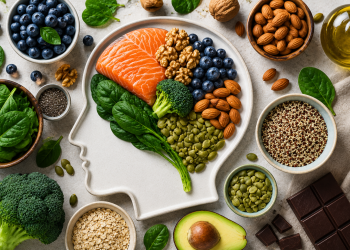


This Complete Brain Health Guide explores practical, science-informed habits that support memory, focus, mental clarity, and lifelong cognitive wellness. Throughout this guide, you’ll learn how nutrition, sleep, exercise, stress management, and everyday routines can help keep your brain healthy at every stage of life.
Want to learn more about healthy ageing and overall well-being? The World Health Organization provides practical guidance on healthy lifestyles and disease prevention.
Complete Brain Health Guide: What Does Brain Health Really Mean?
When most people hear the words brain health, they immediately think about memory.
While memory is certainly important, brain health is much broader than remembering names or where you left your keys.
Healthy brain function includes:
- Learning new skills
- Solving problems
- Managing emotions
- Maintaining attention
- Making decisions
- Processing information
- Staying mentally resilient during stress
- Supporting healthy sleep patterns
- Adapting to new situations
Think of your brain as the body’s central command center. Every heartbeat, every movement, every emotion, and every decision depends on billions of nerve cells communicating with one another.
Like every other part of the body, your brain changes throughout life. Some changes are natural, while others are influenced by lifestyle choices.
Fortunately, modern research continues to show that many everyday habits can help support healthy cognitive function well into older adulthood.
Why Brain Health Matters More Than Ever
We’re living in one of the most mentally demanding periods in history.
Many of us switch between dozens of browser tabs, answer messages while eating lunch, watch videos before bed, and rarely experience true mental rest.
Our brains evolved for deep focus—not endless interruptions.
Although technology has made life more convenient, it’s also introduced new challenges:
- Information overload
- Constant multitasking
- Poor sleep quality
- Increased stress
- Reduced physical movement
- Less time outdoors
- Digital fatigue
Over time, these habits can leave us feeling mentally drained.
Have you ever:
- Forgotten why you entered a room?
- Struggled to concentrate after hours of scrolling?
- Felt mentally exhausted despite doing very little physical work?
- Found yourself rereading the same paragraph several times?
Most people experience these moments occasionally.
They don’t necessarily indicate something serious, but they can be reminders that the brain benefits from regular care just like the heart, muscles, or immune system.
Supporting brain health isn’t about becoming perfect.
The National Institute on Aging highlights that regular physical activity, healthy eating, quality sleep, and staying socially connected all contribute to healthy brain aging.
It’s about creating an environment where your brain can perform at its best.
Complete Brain Health Guide: How Your Brain Changes Throughout Life
One of the most encouraging discoveries in neuroscience is that the brain remains adaptable throughout much of life.
Scientists refer to this ability as neuroplasticity.
Research supported by the National Institutes of Health continues to explore how the brain adapts throughout life and how lifestyle factors influence cognitive function.
Neuroplasticity simply means the brain can reorganize itself by creating and strengthening connections between nerve cells in response to learning, experiences, and healthy habits.
Every time you:
- learn a language,
- practice a musical instrument,
- solve a puzzle,
- exercise,
- meditate,
- or develop a new routine,
your brain is actively adapting.
This doesn’t mean aging stops.
Rather, it reminds us that the brain continues responding to positive stimulation regardless of age.
In Your 20s and 30s
Many cognitive abilities are at their peak.
This is often an ideal time to establish habits that may support long-term brain health, including:
- regular exercise,
- quality sleep,
- nutritious eating,
- stress management,
- lifelong learning.
In Your 40s and 50s
Work responsibilities, parenting, financial decisions, and busy schedules can increase mental load.
Many people notice occasional lapses in attention simply because the brain is managing more information than ever before.
This makes recovery habits especially valuable.
In Later Adulthood
Healthy aging involves maintaining both physical and cognitive activity.
Activities such as walking, reading, social interaction, strength training, volunteering, gardening, and learning new hobbies may help keep the brain actively engaged.
Rather than fearing aging, it’s more helpful to focus on building habits that support healthy brain function throughout every stage of life.
Complete Brain Health Guide: The Everyday Habits That Build a Healthier Brain
When I first started reading about brain health, I expected to discover complicated routines.
Instead, I found something wonderfully reassuring.
The strongest evidence consistently points toward simple lifestyle habits practiced consistently.
Let’s explore them one by one.
1. Prioritize Quality Sleep
Sleep is often underestimated.
While we rest, the brain continues performing important maintenance tasks.
Healthy sleep supports:
- memory consolidation,
- emotional regulation,
- learning,
- attention,
- decision-making,
- overall mental recovery.
Harvard Health Publishing explains that good sleep plays an important role in learning, memory, and overall brain function.
Rather than chasing productivity late into the night, protecting your sleep schedule may be one of the kindest things you can do for your brain.
Helpful habits include:
- maintaining a consistent bedtime,
- reducing bright screens before bed,
- keeping the bedroom cool and quiet,
- limiting caffeine later in the day.
2. Move Your Body Every Day
Exercise isn’t only about muscles.
Movement increases blood flow throughout the body, including the brain.
Regular physical activity has been associated with improved mood, better concentration, and healthier cognitive aging.
You don’t need intense workouts.
Simple activities work remarkably well:
- brisk walking,
- cycling,
- swimming,
- yoga,
- dancing,
- gardening,
- hiking.
Personally, I’ve noticed that many of my best ideas arrive during quiet walks rather than while sitting at my desk.
Movement seems to create space for clearer thinking.
3. Feed Your Brain With Nourishing Foods
Your brain uses an extraordinary amount of energy.
Although it represents only a small percentage of body weight, it consumes a significant portion of your daily energy needs.
Instead of focusing on restrictive diets, think about adding more nutrient-rich foods to your meals.
Examples include:
- colorful vegetables,
- berries,
- leafy greens,
- nuts,
- seeds,
- legumes,
- whole grains,
- healthy fats,
- fish where appropriate.
Many traditional eating patterns naturally include these foods without feeling complicated.
A colorful plate often supports more than physical health—it can also provide nutrients important for normal brain function.
The Harvard T.H. Chan School of Public Health recommends eating a balanced diet rich in vegetables, fruits, whole grains, and healthy fats as part of a healthy lifestyle.
4. Challenge Your Mind
The brain enjoys novelty.
Learning doesn’t need to stop after school.
Try:
- reading books,
- learning photography,
- practicing chess,
- cooking unfamiliar recipes,
- studying history,
- taking online courses,
- learning an instrument,
- exploring new languages.
The goal isn’t perfection.
It’s curiosity.
Curiosity keeps the brain engaged.
5. Protect Your Mental Energy
Modern life constantly competes for our attention.
Attention is one of the brain’s most valuable resources.
I’ve found that intentionally creating moments of quiet makes a remarkable difference.
Sometimes this means:
- leaving my phone in another room,
- taking a slow morning walk,
- journaling,
- sitting outside for ten minutes,
- listening to music without multitasking.
These small pauses often improve focus more than another cup of coffee.
Small Habits Often Beat Big Changes
It’s easy to believe that improving brain health requires dramatic lifestyle changes.
In reality, consistency usually matters far more than intensity.
Imagine two people.
One follows a perfect routine for five days before giving up.
The other simply walks every morning, eats vegetables most days, sleeps reasonably well, and keeps learning something new every month.
Years later, those smaller habits often become the stronger foundation.
Brain health isn’t built in a weekend.
It’s built in ordinary days that quietly add up.
Complete Brain Health Guide: Nourish Your Brain with Everyday Nutrition
If there’s one lesson I’ve learned from experimenting with different eating habits over the years, it’s that my brain notices what I eat long before my stomach does.
After a weekend of takeaway meals and too many sugary snacks, I often feel sluggish, distracted, and strangely unmotivated. On the other hand, when my meals are filled with colorful vegetables, whole grains, healthy fats, and plenty of water, my energy feels steadier and my mind seems clearer.
It’s not about eating perfectly. It’s about creating a pattern that supports your brain over time.
Your brain is one of the most energy-demanding organs in your body. Although it makes up only about 2% of your body weight, it uses roughly 20% of your daily energy. That means the quality of your nutrition can influence everything from concentration and mood to memory and mental performance.
Rather than chasing trendy “brain foods,” I like to think about building meals that naturally provide a wide range of nutrients.
Eat More Color, Not More Complexity
One of the simplest brain-health habits is eating a colorful variety of whole foods.
Different fruits and vegetables contain unique plant compounds that help protect cells from oxidative stress and support overall wellness.
Aim to include foods such as:
- Blueberries
- Strawberries
- Spinach
- Kale
- Broccoli
- Carrots
- Sweet potatoes
- Tomatoes
- Bell peppers
- Purple cabbage
A colorful plate usually means a wider variety of nutrients.
Instead of counting every calorie, try asking yourself:
“How many colors can I add to this meal?”
It’s a surprisingly effective mindset.
Healthy Fats Matter More Than Many People Realize
For years, fat had an unfair reputation.
Today we know that certain healthy fats play an important role in normal brain function.
Some excellent sources include:
- Extra virgin olive oil
- Avocados
- Walnuts
- Almonds
- Pumpkin seeds
- Chia seeds
- Flaxseeds
- Fatty fish such as salmon, sardines, and mackerel
Omega-3 fatty acids have received particular attention because they are structural components of brain cells.
The Academy of Nutrition and Dietetics offers practical guidance on healthy dietary patterns and nutrient-rich food choices.
Rather than relying only on supplements, many nutrition experts encourage obtaining nutrients through a balanced diet whenever possible.
Protein Supports More Than Muscles
Protein provides amino acids that help the body produce neurotransmitters—chemical messengers involved in mood, motivation, and communication between brain cells.
Balanced sources include:
- Eggs
- Greek yogurt
- Lentils
- Chickpeas
- Beans
- Fish
- Lean poultry
- Tofu
- Tempeh
Including protein with breakfast can also help many people maintain steadier energy throughout the morning.
Don’t Forget Fiber
Fiber rarely appears in conversations about brain health, yet it’s closely connected through the gut.
Fiber-rich foods feed beneficial gut bacteria, which in turn produce compounds that may support communication along the gut-brain axis.
Good choices include:
- Oats
- Brown rice
- Whole grains
- Lentils
- Apples
- Pears
- Beans
- Vegetables
- Seeds
Small improvements made consistently often matter more than dramatic diet changes.
Complete Brain Health Guide: The Gut-Brain Connection
One of the most fascinating discoveries in modern wellness is how closely the digestive system and brain communicate.
Scientists often refer to this relationship as the gut-brain axis.
Cleveland Clinic explains how the gut and brain communicate through what is commonly known as the gut-brain axis.
Rather than functioning independently, your digestive system and brain constantly exchange signals.
Have you ever noticed:
- butterflies before a presentation?
- loss of appetite during stressful periods?
- digestive discomfort when feeling anxious?
These experiences remind us that mental and digestive health influence one another.
While research continues to evolve, maintaining a healthy digestive system appears to be one valuable piece of overall cognitive wellness.
Everyday Habits That Support Gut Health
- Eat plenty of fiber
- Include fermented foods if they suit you
- Stay hydrated
- Limit highly processed foods
- Eat meals at regular times
- Get enough sleep
- Stay physically active
Your gut doesn’t need perfection.
It appreciates consistency.
Complete Brain Health Guide: Vitamins and Minerals That Support Normal Brain Function
No single vitamin acts like magic.
Instead, the brain relies on many nutrients working together.
Some of the most widely studied include:
B Vitamins
B vitamins contribute to normal energy metabolism and healthy nervous system function.
Food sources include:
- Whole grains
- Eggs
- Dairy
- Leafy greens
- Legumes
Vitamin D
Vitamin D plays roles throughout the body, including normal immune function and overall health.
Many people obtain vitamin D through sensible sunlight exposure and dietary sources where appropriate.
Magnesium
Magnesium participates in hundreds of biological processes.
It is found naturally in:
- Pumpkin seeds
- Almonds
- Spinach
- Black beans
- Whole grains
Many people are surprised by how few magnesium-rich foods they regularly eat.
Zinc
Zinc contributes to normal cognitive function and supports numerous biological processes.
Sources include:
- Seafood
- Beans
- Nuts
- Seeds
- Dairy products
Iron
Iron helps transport oxygen throughout the body.
Too little iron may contribute to fatigue, making concentration more difficult.
Iron-rich foods include:
- Lentils
- Spinach
- Lean meat
- Pumpkin seeds
- Beans
If you suspect a nutrient deficiency, it’s always best to consult a qualified healthcare professional before making significant dietary changes or starting supplements.
Complete Brain Health Guide: Why Hydration Matters for Mental Clarity
This one often catches me by surprise.
Whenever I struggle to focus, I sometimes assume I need another coffee.
In reality, I simply need water.
Even mild dehydration may affect concentration, mood, and alertness in some people.
Simple hydration habits include:
- Start the morning with water.
- Carry a reusable bottle.
- Drink regularly throughout the day.
- Eat water-rich fruits and vegetables.
- Pay attention to thirst.
Coffee and tea can absolutely fit into a balanced lifestyle, but water remains your brain’s favorite drink.
Complete Brain Health Guide: Exercise and Brain Function
One of the most consistent findings in wellness research is that movement benefits both body and mind.
The American Heart Association recommends regular physical activity as part of a healthy lifestyle that benefits both cardiovascular and overall health.
Exercise supports healthy blood circulation throughout the body—including the brain.
It also helps manage stress while supporting mood and better sleep.
The good news?
You don’t need marathon training.
Activities such as:
- brisk walking
- cycling
- yoga
- swimming
- dancing
- strength training
- hiking
- gardening
can all become part of an active lifestyle.
Personally, I try not to think about “exercise.”
I think about moving.
That small shift makes it easier to stay consistent.
Strength Training Matters Too
Many people associate brain health with cardio alone.
However, strength training also supports healthy aging by helping maintain muscle mass, balance, and physical independence.
Two or three sessions each week can complement regular walking or cycling.
The best exercise is often the one you’ll genuinely enjoy enough to continue.
Complete Brain Health Guide: Managing Stress Without Chasing Perfection
Stress itself isn’t the enemy.
It’s part of being human.
The challenge comes when stress becomes constant, leaving little time for recovery.
I’ve noticed that some of my most productive days aren’t the busiest.
They’re the ones where I intentionally create small moments to pause.
That pause might be:
- a ten-minute walk,
- deep breathing,
- journaling,
- stretching,
- reading,
- listening to music,
- sitting outdoors.
These aren’t dramatic life changes.
They’re small acts of mental recovery.
Create a Personal Reset Routine
Consider choosing three simple habits you can return to whenever life feels overwhelming.
For example:
- Drink a glass of water.
- Take a five-minute walk.
- Breathe slowly for one minute.
- Stretch.
- Write down tomorrow’s priorities.
- Step away from your phone.
The routine itself isn’t important.
Consistency is.
Your brain doesn’t expect perfection.
It simply responds to repeated care.
Building a Brain-Friendly Plate
If you’re unsure where to begin, here’s a simple framework:
Fill half your plate with colorful vegetables.
Add a source of lean protein.
Choose whole grains or fiber-rich carbohydrates.
Include healthy fats.
Drink water regularly.
Eat slowly when possible.
Enjoy meals with family or friends whenever you can.
Healthy eating doesn’t need to feel restrictive.
Sometimes it’s simply returning to foods that generations before us recognized as nourishing.
Complete Brain Health Guide: Why Sleep Is the Ultimate Brain Recovery Tool
If someone asked me to choose just one habit that has had the biggest impact on my energy, focus, and overall well-being, I wouldn’t say a particular food or workout.
I’d say sleep.
For years, I underestimated it. I believed that staying up late to finish work was productive. But over time, I noticed something interesting. The extra hours I “gained” at night often cost me far more the next day. I became distracted more easily, struggled to concentrate, and found myself reaching for extra coffee just to feel normal.
Good sleep isn’t simply about feeling rested. It’s one of the most important ways your brain restores itself.
Mayo Clinic offers practical sleep recommendations that can help improve sleep quality and support overall health.
Throughout the night, the brain organizes memories, processes new information, regulates emotions, and prepares for another day of learning and decision-making. That’s why one poor night’s sleep can affect mood, reaction time, concentration, and even creativity.
Rather than viewing sleep as time lost, think of it as an investment in every waking hour that follows.
Create a Brain-Friendly Evening Routine
You don’t need an elaborate bedtime ritual. Small, consistent habits often make the biggest difference.
Consider trying:
- Going to bed at the same time each night
- Limiting bright screens for an hour before sleep
- Reading a book instead of scrolling on your phone
- Keeping your bedroom cool, dark, and quiet
- Avoiding large meals and excess caffeine late in the evening
- Spending a few minutes journaling if your mind feels busy
A calm evening often leads to a calmer morning.
Suggested Internal Link
Explore our comprehensive guide on Sleep and Brain Health: How Better Rest Supports Memory, Focus, Mood, and Long-Term Cognitive Wellness Naturally.
Complete Brain Health Guide: Protect Your Brain in a Digital World
Our brains were never designed to process an endless stream of notifications, headlines, emails, and short videos.
Many of us reach for our phones within minutes of waking up and continue consuming information until the moment we fall asleep.
While technology has brought incredible convenience, it has also changed the way we focus.
If you’ve ever felt mentally exhausted after an afternoon of scrolling, you’re not alone.
One practice that has helped me is creating intentional moments without digital distractions.
Sometimes I leave my phone in another room while I read. Other days I go for a walk without headphones. Occasionally I spend an afternoon exploring a new place without taking a single photo.
Those moments feel surprisingly refreshing.
Simple Digital Wellness Habits
You don’t have to abandon technology to protect your attention.
Instead, consider:
- Turning off non-essential notifications
- Scheduling screen-free meals
- Taking short breaks every hour when working
- Spending time outdoors without your phone
- Reading longer articles or books instead of only short-form content
- Choosing one evening each week for a “digital sunset”
Your attention is one of your most valuable resources. Protecting it is another way of caring for your brain.
Complete Brain Health Guide: Train Your Brain Through Curiosity
One of the most encouraging discoveries about the brain is that it continues adapting throughout life.
Learning isn’t reserved for classrooms. Every new experience encourages the brain to build and strengthen connections.
Instead of thinking about “brain training” as a specific app or puzzle, think about expanding your curiosity.
You might:
- Learn a new language
- Try painting or photography
- Start gardening
- Read books outside your usual interests
- Practice cooking recipes from different cultures
- Learn to play a musical instrument
- Visit museums or historical sites
- Explore unfamiliar walking trails
Novel experiences encourage the brain to pay attention, solve problems, and create new memories.
Personally, travel has been one of the best teachers. Every new city, conversation, and local tradition reminds me that learning doesn’t end when school does—it simply changes form.
The Power of Social Connection
Brain health isn’t only influenced by nutrition and exercise.
Human connection matters too.
Meaningful conversations, shared laughter, and supportive relationships help create a sense of belonging that contributes to emotional well-being.
Even small moments—a phone call with a friend, dinner with family, or chatting with a neighbor—can brighten the day in ways we often underestimate.
In our increasingly digital lives, making time for genuine connection is a simple but valuable habit.
Complete Brain Health Guide: Build a Daily Routine That Supports Your Brain
Healthy brains aren’t built through occasional bursts of motivation.
They’re supported by everyday routines.
Here’s an example of a balanced day:
Morning
- Wake at a consistent time
- Drink a glass of water
- Spend a few minutes outside in natural light
- Eat a balanced breakfast with protein and fiber
- Move your body, even if it’s only a short walk
Afternoon
- Choose nourishing meals
- Take brief movement breaks
- Stay hydrated
- Focus on one task at a time whenever possible
Evening
- Share a meal with family or friends
- Reduce screen time
- Read or journal
- Stretch or practice gentle relaxation
- Go to bed at a consistent time
No day will be perfect, and that’s okay.
The goal isn’t perfection. It’s creating a rhythm that supports your body and mind over time.
Common Brain Health Myths
With so much information online, it’s easy to come across advice that sounds convincing but isn’t supported by good evidence.
Let’s clear up a few common myths.
Myth 1: Brain health only matters when you’re older
In reality, healthy habits at every stage of life contribute to long-term cognitive wellness.
Myth 2: You need expensive supplements to have a healthy brain
While some people may benefit from supplements under professional guidance, the foundation of brain health is still built on nutritious food, regular movement, quality sleep, stress management, and lifelong learning.
Myth 3: Forgetfulness always means something serious
Everyone forgets things from time to time, especially during stressful or busy periods.
Occasional forgetfulness is a normal part of life, although persistent or concerning changes should always be discussed with a qualified healthcare professional.
Myth 4: It’s too late to improve brain health
The brain remains adaptable throughout much of life. Positive lifestyle changes can be worthwhile at almost any age.
The Alzheimer’s Association shares evidence-based resources about maintaining brain health and understanding cognitive changes as we age.
A Gentle Reminder: Progress Matters More Than Perfection
One of the biggest lessons I’ve learned while exploring wellness is that health isn’t built through dramatic transformations.
It’s built through ordinary moments.
Choosing to go for a walk instead of scrolling for another hour.
Preparing a colorful meal.
Reading a few pages before bed.
Laughing with someone you love.
Taking a deep breath before responding to stress.
These habits may seem small, but over months and years, they become part of who we are.
Brain health isn’t about becoming a different person.
It’s about creating an environment where your mind has the opportunity to thrive.
Final Thoughts
Your brain carries every memory you’ve made, every lesson you’ve learned, every place you’ve explored, and every dream you’re still chasing.
It deserves the same care and attention we give to the rest of our body.
The encouraging news is that supporting brain health doesn’t require perfection or complicated routines.
Instead, it begins with everyday choices:
- Sleep a little better.
- Move a little more.
- Eat more colorful foods.
- Stay curious.
- Protect your attention.
- Make time for meaningful relationships.
- Allow yourself moments of rest.
Small steps repeated consistently often become the foundation for lifelong well-being.
No matter where you’re starting today, your next healthy choice is always worth making.
Frequently Asked Questions (FAQs)
What are the best daily habits for improving brain health?
The best daily habits for brain health include getting enough quality sleep, eating a balanced diet rich in whole foods, staying physically active, managing stress, keeping your mind engaged through lifelong learning, maintaining meaningful social connections, and staying hydrated. Small, consistent habits practiced over time can have a positive impact on cognitive wellness.
Which foods are best for brain health?
Some of the best foods for brain health include leafy green vegetables, berries, nuts, seeds, whole grains, legumes, fatty fish rich in omega-3 fatty acids, olive oil, eggs, and colorful fruits and vegetables. These foods provide nutrients that support normal brain function as part of a healthy, balanced diet.
Can exercise improve memory and focus?
Regular physical activity supports healthy blood circulation, including blood flow to the brain. Exercise may also help improve mood, support better sleep, reduce stress, and contribute to healthy cognitive function. Activities such as walking, cycling, swimming, yoga, and strength training can all be part of a brain-friendly lifestyle.
How does sleep affect brain health?
Sleep plays an essential role in memory consolidation, learning, emotional regulation, and mental recovery. Poor sleep may affect concentration, reaction time, and overall cognitive performance. Maintaining a regular sleep schedule and creating healthy bedtime habits can support long-term brain wellness.
Is it ever too late to improve brain health?
No. Research suggests that the brain continues to adapt throughout much of life through a process known as neuroplasticity. Healthy lifestyle habits—including balanced nutrition, physical activity, quality sleep, stress management, and lifelong learning—can support brain health at almost any age.