
Quick Answer
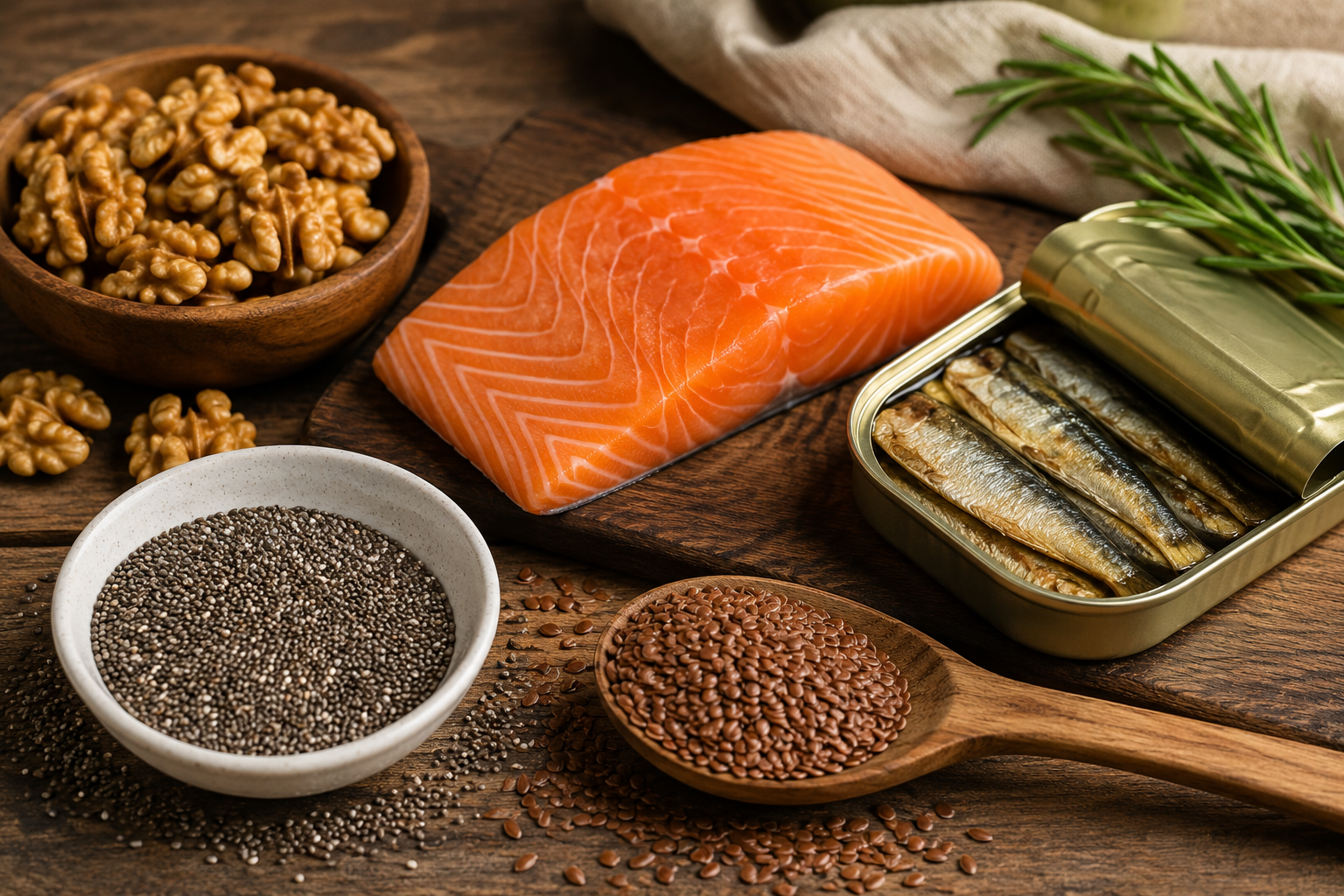
Omega-3 fatty acids are essential fats that support normal brain structure and function. DHA is a major structural component of brain cells, while EPA contributes to several biological processes throughout the body. Including omega-3-rich foods such as salmon, sardines, trout, walnuts, chia seeds and flaxseed as part of a balanced eating pattern can help support lifelong cognitive wellness.
What the Evidence Says About Omega-3 for Brain Function
Omega-3 fatty acids have been studied extensively because they are important components of the brain and nervous system. Research consistently shows that DHA contributes to the normal structure of brain cells, while EPA and DHA are important parts of a healthy dietary pattern. However, no single nutrient or supplement has been proven to prevent memory loss or neurological disease on its own.
The strongest evidence continues to support an overall healthy lifestyle that combines nutritious eating, regular physical activity, quality sleep, stress management and lifelong learning.
For an overview of healthy lifestyle habits that support cognition, read our Brain Health Guide.
For background information on omega-3 fatty acids, the NIH Office of Dietary Supplements provides an evidence-based consumer guide.
Table of Contents
- What Is Omega-3 for Brain Function?
- Why Omega-3 for Brain Function Matters
- Types of Omega-3 Fatty Acids
- Benefits of Omega-3 for Brain Function
- Best Foods for Omega-3 for Brain Function
- Recommended Omega-3 Intake for Brain Function
- Omega-3 Supplements for Brain Function
- Is Omega-3 for Brain Function Safe?
- Frequently Asked Questions About Omega-3 for Brain Function
- References
What Is Omega-3 for Brain Function?
Omega-3 fatty acids are essential polyunsaturated fats that your body cannot produce in sufficient amounts. They must be obtained through foods or, in some cases, dietary supplements recommended by a healthcare professional.
These healthy fats are naturally found in oily fish, seafood, walnuts, chia seeds, flaxseed and certain plant oils. They contribute to many normal body functions, including maintaining healthy cell membranes, supporting cardiovascular health and helping the nervous system function properly.
Because the brain contains a high proportion of fat, omega-3 fatty acids are especially important for maintaining the structure of brain cells throughout life.
If you’d like to explore other nutrients that support cognitive wellness, read our Best Vitamins & Minerals for Brain Health.
Why Omega-3 for Brain Function Matters
The brain depends on billions of neurons communicating with one another every second. Healthy nerve cell membranes help make this communication possible.
One of the most abundant fatty acids found in the brain is docosahexaenoic acid (DHA). DHA forms part of the outer membrane of nerve cells and contributes to their normal structure.
Another important omega-3 fatty acid is eicosapentaenoic acid (EPA). While EPA is present in smaller amounts in the brain than DHA, researchers continue to study its role in overall health.
According to the National Institutes of Health Office of Dietary Supplements, omega-3 fatty acids are essential nutrients that should come from the diet because the body cannot produce enough on its own.
Types of Omega-3 for Brain Function
There are three main omega-3 fatty acids found in foods.
| Type | Full Name | Common Food Sources | Main Role |
|---|---|---|---|
| DHA | Docosahexaenoic Acid | Salmon, sardines, trout, mackerel | Structural component of the brain and retina |
| EPA | Eicosapentaenoic Acid | Salmon, sardines, mackerel, herring | Supports several normal biological processes |
| ALA | Alpha-Linolenic Acid | Walnuts, chia seeds, flaxseed | Plant-based omega-3 that can be converted in small amounts to EPA and DHA |
You can explore peer-reviewed scientific studies on DHA, EPA and ALA through PubMed.
Benefits of Omega-3 for Brain Function
Supports Healthy Brain Cell Structure
DHA is incorporated into the membranes surrounding brain cells. Healthy membranes help neurons communicate efficiently.
Supports Normal Nervous System Function
Omega-3 fatty acids contribute to the normal function of the nervous system as part of a healthy diet.
Supports Learning and Memory
Learning and memory rely on communication between brain cells. Although no food can guarantee better memory, a nutrient-rich eating pattern that includes omega-3-rich foods supports overall cognitive wellness.
Supports Healthy Aging
Healthy aging depends on many lifestyle factors working together. Nutritious eating, physical activity, quality sleep and social engagement all contribute to long-term well-being.
To learn how everyday nutrition supports cognition, visit our Best Foods for Brain Health guide.
Best Foods for Omega-3 for Brain Function
Food should be your primary source of omega-3 whenever possible.
Excellent choices include:
- Salmon
- Sardines
- Mackerel
- Trout
- Herring
- Anchovies
- Walnuts
- Chia seeds
- Ground flaxseed
- Hemp seeds
| Food | Primary Omega-3 | Notes |
|---|---|---|
| Salmon | DHA + EPA | One of the richest natural sources |
| Sardines | DHA + EPA | Also provide calcium and vitamin D |
| Trout | DHA + EPA | Good option for regular meals |
| Walnuts | ALA | Convenient plant-based snack |
| Chia Seeds | ALA | Easy to add to yogurt or oatmeal |
| Flaxseed | ALA | Best consumed ground for easier digestion |
Recommended Omega-3 Intake for Brain Function
There is no single omega-3 intake recommendation that applies to everyone. Nutritional needs vary depending on age, sex, pregnancy, breastfeeding status and overall health.
Rather than focusing only on supplements, many national dietary guidelines recommend eating omega-3-rich foods regularly as part of a balanced eating pattern.
For most healthy adults, including oily fish one to two times per week is a practical way to increase dietary DHA and EPA.
If you do not eat fish, plant-based foods such as walnuts, chia seeds and ground flaxseed provide ALA, another important omega-3 fatty acid.
For official nutrition guidance, the NIH Office of Dietary Supplements explains dietary sources and nutritional considerations for omega-3 fatty acids.
Omega-3 Supplements for Brain Function
Some people may find it difficult to obtain enough omega-3 from food alone.
Examples include:
- People who rarely eat seafood
- Individuals following vegetarian or vegan diets
- Older adults with limited dietary variety
- People advised by a healthcare professional to increase omega-3 intake
Supplements should complement a healthy eating pattern rather than replace nutritious meals.
Fish Oil Supplements
Fish oil is one of the most common omega-3 supplements.
It usually contains both DHA and EPA.
Products can vary considerably, so always read the nutrition label to check how much DHA and EPA each serving provides.
Algal Oil Supplements
Algal oil is produced from marine algae and provides DHA without using fish.
Many vegetarians and vegans choose algal oil because it provides a direct source of DHA.
Krill Oil Supplements
Krill oil contains both DHA and EPA and is another option available in many countries.
Like all supplements, it should only be used when appropriate for your individual needs.
How to Choose a Quality Omega-3 Supplement for Brain Function
If you and your healthcare provider decide supplementation is appropriate, consider products that:
- Clearly state DHA and EPA amounts
- Have third-party quality testing
- Include storage instructions
- Display an expiry date
- Match your dietary preferences
Avoid choosing supplements based only on marketing claims.
You can compare supplement ingredients using reliable information from the National Institutes of Health Office of Dietary Supplements.
Is Omega-3 for Brain Function Safe?
For most healthy people, eating omega-3-rich foods is considered a healthy part of a balanced diet.
Like all dietary supplements, omega-3 products may not be suitable for everyone.
Some people may experience:
- Mild stomach discomfort
- Fishy aftertaste
- Burping
- Nausea
People taking blood-thinning medication or preparing for surgery should discuss supplement use with their healthcare provider before starting omega-3 supplements.
Omega-3 for Brain Function During Pregnancy
Nutrition plays an important role throughout pregnancy.
DHA contributes to normal brain and eye development during fetal growth, making adequate nutrition particularly important during pregnancy and breastfeeding.
Pregnant and breastfeeding women should follow advice from their healthcare provider regarding seafood choices and supplementation.
The World Health Organization (WHO) and national healthcare providers publish guidance on healthy eating during pregnancy.
Omega-3 for Brain Function in Children
Healthy eating habits established during childhood can support lifelong wellness.
Children can obtain omega-3 from foods such as:
- Salmon
- Trout
- Sardines (prepared appropriately)
- Eggs
- Walnuts (age appropriate)
- Chia seeds
- Ground flaxseed
Parents should prepare foods safely and follow local dietary recommendations.
Omega-3 for Brain Function in Older Adults
Healthy aging is influenced by many lifestyle factors working together.
A nutrient-rich eating pattern, regular physical activity, quality sleep, lifelong learning and social engagement all contribute to maintaining overall health.
Including fish, vegetables, fruits, whole grains, legumes and healthy fats provides a strong nutritional foundation throughout later life.
For additional nutrition strategies, read our Best Foods for Brain Health guide.
10 Practical Ways to Eat More Omega-3
Small dietary changes are often easier to maintain than dramatic lifestyle changes.
Try these ideas:
- Eat grilled salmon once each week.
- Add chia seeds to oatmeal.
- Mix ground flaxseed into smoothies.
- Snack on a handful of walnuts.
- Choose trout instead of processed meat.
- Add sardines to whole-grain toast.
- Sprinkle hemp seeds over salads.
- Prepare baked mackerel with vegetables.
- Include soybeans or edamame in meals.
- Build balanced meals with vegetables, whole grains and healthy fats.
Sample One-Day Meal Plan
Breakfast
Greek yogurt topped with blueberries, walnuts and chia seeds.
Morning Snack
Apple with a handful of walnuts.
Lunch
Grilled salmon with quinoa, spinach and roasted vegetables.
Afternoon Snack
Carrot sticks with hummus.
Dinner
Baked trout served with brown rice, broccoli and mixed salad.
Evening Snack
Fresh fruit with plain yogurt.
Common Mistakes to Avoid
Relying Only on Supplements
Supplements cannot replace healthy eating habits.
Ignoring Overall Lifestyle
Omega-3 works best alongside regular exercise, quality sleep and stress management.
Our Sleep and Brain Health guide explains why consistent sleep is essential for cognitive wellness.
Believing One Food Is a Miracle Cure
No individual food or supplement can guarantee better memory or prevent disease.
Long-term health depends on consistent healthy habits.
Expert Tip
Instead of searching for a “superfood,” focus on building balanced meals.
A plate containing salmon, vegetables, whole grains and healthy fats provides far more nutritional value than relying on a single supplement.
For a complete overview of healthy daily habits that support cognition, explore our Brain Health Guide.
Frequently Asked Questions About Omega-3 for Brain Function
What is omega-3 for brain function?
Omega-3 fatty acids are essential fats that contribute to the normal structure and function of the brain. DHA is a major structural component of brain cells, while EPA supports several biological processes throughout the body.
Which omega-3 is most important for the brain?
DHA is the omega-3 fatty acid most closely associated with the structure of brain tissue. EPA also plays important roles in overall health and is commonly consumed alongside DHA in fish and seafood.
What foods are highest in omega-3?
Some of the richest natural food sources include:
- Salmon
- Sardines
- Mackerel
- Herring
- Trout
- Anchovies
- Walnuts
- Chia seeds
- Flaxseed
- Hemp seeds
For more nutrition ideas, visit our Best Foods for Brain Health guide.
Can omega-3 improve memory?
Omega-3 fatty acids support normal brain structure and function, but no single food or supplement has been proven to improve memory for everyone. Long-term cognitive wellness depends on multiple healthy lifestyle habits.
Should everyone take omega-3 supplements?
Not necessarily. Many people can obtain sufficient omega-3 through a balanced diet that includes fish, seafood or plant-based sources. Supplements should be considered on an individual basis after discussing them with a qualified healthcare professional.
Is fish or a supplement better?
Whenever possible, obtaining nutrients through whole foods is generally recommended because foods provide protein, vitamins, minerals and other beneficial nutrients in addition to omega-3 fatty acids.
Can vegetarians get enough omega-3?
Yes. Plant foods such as walnuts, chia seeds, flaxseed and hemp seeds provide ALA. Some people also choose algae-based DHA supplements after discussing them with their healthcare provider.
Does cooking fish reduce omega-3?
Gentle cooking methods such as baking, steaming and grilling generally preserve nutrients better than deep frying.
Is omega-3 safe for older adults?
For most people, omega-3-rich foods can be included as part of a healthy dietary pattern. Older adults should discuss supplements with their healthcare provider, especially if they take prescription medications.
Is omega-3 safe during pregnancy?
Pregnant and breastfeeding women should follow advice from their healthcare provider regarding seafood choices and supplementation.
The World Health Organization provides general information about healthy nutrition during pregnancy.
Myth vs. Fact About Omega-3 for Brain Function
Myth: Omega-3 supplements are better than food.
Fact: Whole foods provide omega-3 along with protein, vitamins, minerals and other beneficial nutrients. For most healthy people, food should remain the primary source.
Myth: More omega-3 is always better.
Fact: High-dose supplements are not appropriate for everyone and should only be used under professional guidance.
Myth: Only older adults need omega-3.
Fact: Omega-3 fatty acids contribute to normal growth, development and overall health throughout life.
Myth: One supplement can keep your brain healthy.
Fact: Healthy brain function depends on balanced nutrition, regular exercise, quality sleep, stress management and lifelong learning working together.
Key Takeaways
- Omega-3 fatty acids are essential nutrients that support normal brain structure and function.
- DHA is highly concentrated in brain tissue.
- EPA and DHA are naturally found in oily fish and seafood.
- Plant foods such as walnuts, flaxseed and chia seeds provide ALA.
- Whole foods should be the primary source of omega-3 whenever possible.
- Supplements should only be used when appropriate and after professional advice.
- A healthy lifestyle—including nutritious eating, physical activity, quality sleep and stress management—provides the strongest foundation for lifelong cognitive wellness.