
Creatine for cognitive performance has become an increasingly popular research topic because creatine helps support cellular energy production throughout the body, including the brain. Although it is widely known for supporting athletic performance, researchers are also studying its potential role in cognitive performance. However, evidence is still evolving, and creatine should be viewed as one part of an overall healthy lifestyle rather than a standalone solution for brain health.
At a Glance
| Topic | Quick Fact |
|---|---|
| Main Nutrient | Creatine |
| Primary Role | Supports cellular energy production |
| Naturally Found In | Meat, fish and seafood |
| Popular Supplement | Creatine monohydrate |
| Best Combined With | Balanced nutrition, exercise and quality sleep |
| Research Status | Ongoing for cognitive performance |
What the Research Says About Creatine for Cognitive Performance
Creatine has been studied for many years because of its well-established role in energy metabolism. More recently, researchers have investigated whether maintaining adequate creatine stores may help support certain aspects of cognitive performance, particularly in situations where the brain’s energy demands increase.
Although some studies have reported promising findings, results remain mixed and additional high-quality human research is needed. Therefore, current evidence does not support viewing creatine as a guaranteed way to improve memory, intelligence or concentration.
Instead, experts recommend focusing on the foundations of brain health, including nutritious eating, regular physical activity, restorative sleep and stress management.
If you’re new to cognitive wellness, begin with our Brain Health Guide to understand how lifestyle habits work together.
For evidence-based information on dietary supplements and nutrition, visit the National Institutes of Health (NIH).
For a general overview of dietary supplements and wellness, Harvard Health Publishing provides practical, evidence-based information.
Table of Contents
- What Is Creatine for Cognitive Performance?
- How Creatine Supports Cognitive Performance
- Why the Brain Needs Energy
- Natural Food Sources of Creatine for Cognitive Performance
- Who May Benefit
- Current Research
- Frequently Asked Questions
- References
What Is Creatine for Cognitive Performance?
Creatine is a naturally occurring compound made from amino acids. It is produced by the body in small amounts and is also obtained through certain foods, particularly animal-based foods such as meat and fish.
Most creatine in the body is stored in skeletal muscles, where it helps regenerate adenosine triphosphate (ATP), the body’s primary source of cellular energy. Nevertheless, creatine is also present in the brain and other tissues that require a continuous supply of energy.
Because of this role, researchers continue to explore how creatine may support normal brain function under different conditions.
Why Creatine Matters for Cognitive Performance
The human brain uses a significant amount of energy every day.
Although it represents only a small percentage of total body weight, the brain consumes a considerable share of the body’s energy to support thinking, learning, memory and other essential functions.
Consequently, researchers have investigated nutrients involved in energy production, including creatine.
However, cognitive performance depends on many factors beyond a single nutrient. Sleep quality, physical activity, nutrition, hydration, mental stimulation and overall health all work together to support brain function.
To learn how physical activity complements nutrition, read our Exercise for Better Brain Function guide.
How Creatine Supports Cellular Energy
Creatine plays an important role in the phosphocreatine energy system.
In simple terms, it helps the body regenerate ATP, which provides energy for cells during periods of increased demand.
Muscle cells use this system during short bursts of intense activity.
Similarly, brain cells also require continuous energy to perform their normal functions.
Although researchers continue studying this relationship, creatine’s involvement in cellular energy production explains why it has attracted attention in cognitive research.
Natural Food Sources of Creatine for Cognitive Performance
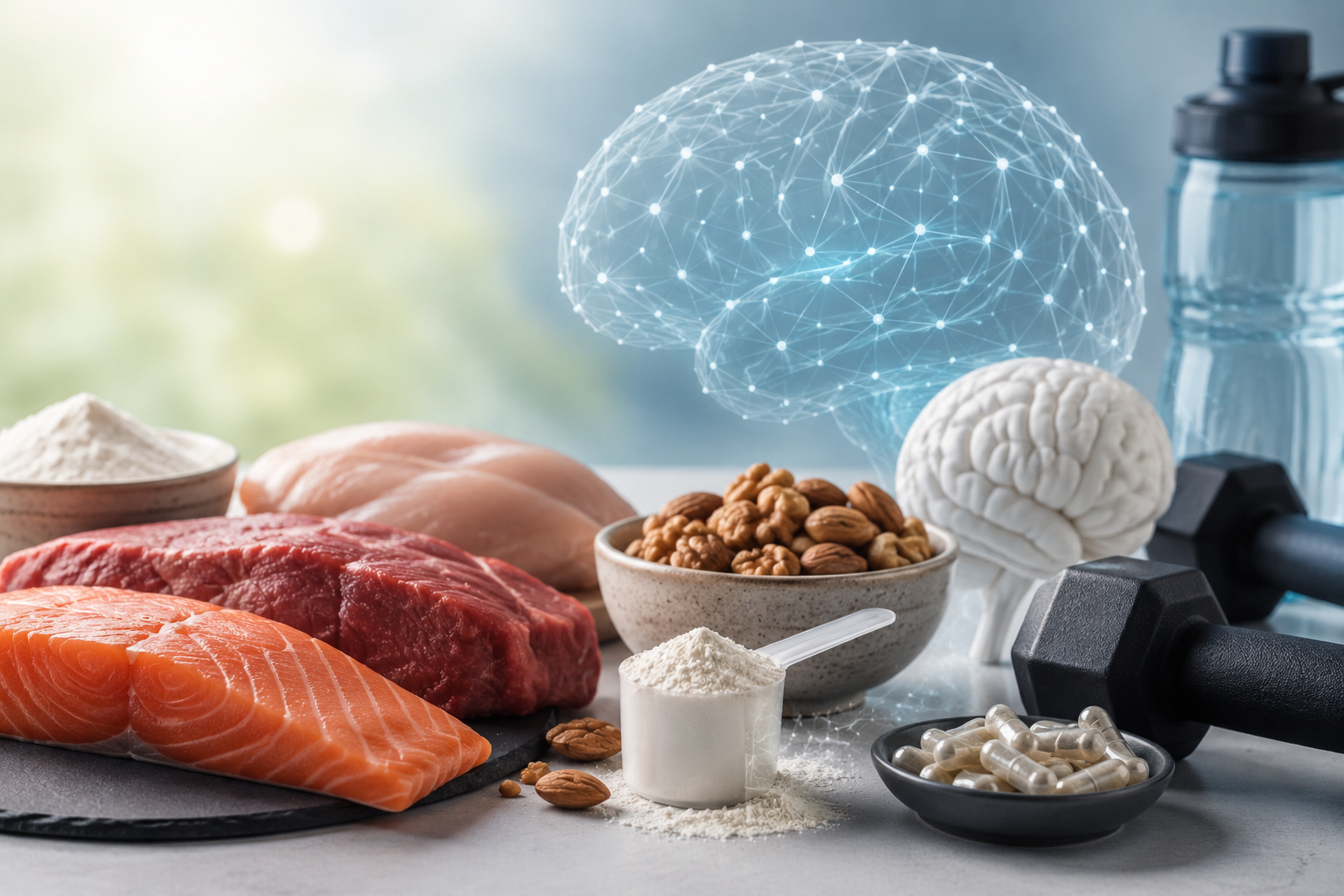
Creatine occurs naturally in several animal-based foods.
Examples include:
- Beef
- Salmon
- Tuna
- Herring
- Pork
- Chicken
Plant foods contain little or no creatine naturally.
Therefore, individuals following vegetarian or vegan eating patterns generally obtain less dietary creatine than people who regularly consume meat or fish.
This difference is one reason researchers have investigated creatine supplementation in certain populations.
Foods That Support Brain Health Alongside Creatine
While creatine contributes to cellular energy production, many other nutrients also support overall brain health.
For example:
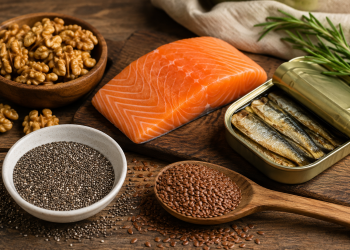
- Omega-3 fatty acids
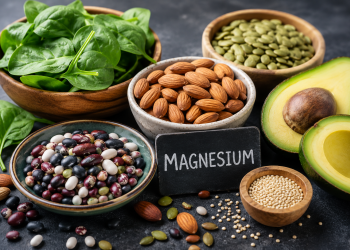
- Magnesium
- B vitamins
- Antioxidants
- Dietary fiber
- Protein
Consequently, focusing on an overall balanced diet is more beneficial than relying on any single nutrient.
For additional nutrition ideas, explore our Best Vitamins & Minerals for Brain Health guide.
Who May Be Interested in Creatine for Cognitive Performance?
Researchers continue studying creatine in different populations.
Interest has included:
- Athletes
- Older adults
- Vegetarians and vegans
- People with demanding physical training schedules
- Individuals participating in cognitive research
However, this does not mean creatine supplementation is appropriate for everyone.
Before taking any supplement, discuss your individual needs with a qualified healthcare professional.
Current Research on Creatine for Cognitive Performance
Scientific interest in creatine continues to grow.
Researchers are investigating topics such as:
- Memory
- Attention
- Mental fatigue
- Healthy aging
- Sleep deprivation
- Brain energy metabolism
Although early findings are encouraging in some areas, evidence remains mixed.
As a result, most experts agree that larger, longer-term human studies are needed before broad conclusions can be made.
Published studies can be explored through PubMed.
Expert Tip
Rather than viewing creatine as a shortcut to better cognitive performance, consider it within the broader context of healthy living.
For example, regular exercise, nutritious eating, quality sleep, hydration and lifelong learning remain the strongest foundations for supporting long-term brain health.
Likewise, building consistent daily habits often provides greater long-term benefits than relying on any single supplement.
Creatine Supplements for Cognitive Performance
Although creatine occurs naturally in food, many people choose supplements because they provide a convenient and consistent source.
However, supplements should complement a healthy lifestyle rather than replace balanced nutrition.
If you’re considering creatine supplementation, speak with a qualified healthcare professional to determine whether it is appropriate for your individual needs.
Creatine Monohydrate for Cognitive Performance
Creatine monohydrate is the most widely studied and commonly used form of creatine.
Consequently, most scientific research has focused on this form rather than newer creatine products.
It is popular because it is:
- Well researched
- Widely available
- Cost-effective
- Easy to use
Although many other forms of creatine are marketed, current research has not consistently shown them to be superior to creatine monohydrate.
Other Forms of Creatine
Several alternative forms of creatine are available.
These include:
- Creatine hydrochloride (HCl)
- Buffered creatine
- Creatine ethyl ester
- Creatine magnesium chelate
- Micronized creatine
While manufacturers may promote different benefits, scientific evidence comparing these forms remains limited.
Therefore, creatine monohydrate continues to be the form most commonly used in research studies.
Creatine Comparison Table
| Form | Research Available | Notes |
|---|---|---|
| Creatine Monohydrate | Extensive | Most commonly studied form |
| Creatine HCl | Limited | Smaller body of research |
| Buffered Creatine | Limited | More research needed |
| Creatine Ethyl Ester | Limited | Not consistently shown to outperform monohydrate |
| Micronized Creatine | Moderate | Similar ingredient with smaller particle size |
Is Creatine for Cognitive Performance Safe?
For healthy adults, creatine monohydrate has been studied extensively and is generally considered safe when used appropriately.
Nevertheless, supplements are not suitable for everyone.
People with kidney disease, liver disease or other medical conditions should consult a healthcare professional before using creatine or any dietary supplement.
Likewise, pregnant or breastfeeding women should seek professional medical advice before considering supplementation.
Additionally, the Mayo Clinic recommends discussing dietary supplements with your healthcare provider, particularly if you have underlying medical conditions or take prescription medications.
Possible Side Effects of Creatine for Cognitive Performance
Most people tolerate creatine well when taken as directed.
However, some individuals may experience:
- Mild stomach discomfort
- Temporary water retention
- Digestive upset
These effects are generally mild, although individual experiences vary.
If you experience unusual symptoms after taking a supplement, discontinue use and seek medical advice.
Likewise, the NHS advises following the recommended dosage of supplements and seeking medical advice if you experience persistent side effects or have existing health conditions.
Creatine and Vegetarian or Vegan Diets
Creatine is naturally found in animal-based foods.
Therefore, people following vegetarian or vegan diets often consume less dietary creatine than people who regularly eat meat or fish.
As a result, researchers have shown particular interest in studying creatine supplementation in vegetarian populations.
However, supplementation decisions should always be made on an individual basis with appropriate professional guidance.
Creatine for Older Adults
Healthy aging depends on many factors working together.
Nutritious eating, regular exercise, quality sleep, lifelong learning and social engagement all contribute to maintaining overall health.
Researchers continue to investigate whether creatine may have a role in supporting healthy aging, although more evidence is needed before firm recommendations can be made.
For additional guidance, read our Exercise for Better Brain Function guide.
Creatine for Cognitive Performance and Exercise
Creatine is best known for its role in supporting high-intensity exercise performance.
Consequently, many physically active people use creatine alongside resistance training and other forms of exercise.
Exercise itself also supports overall brain health.
Therefore, combining regular movement with balanced nutrition provides a stronger foundation for long-term wellness than relying on supplements alone.
To learn more, visit our Exercise for Better Brain Function guide.
Creatine for Cognitive Performance and Sleep
Quality sleep is essential for healthy brain function.
Although creatine has been studied in relation to sleep deprivation and cognitive performance, evidence remains limited.
Instead of relying on supplements, prioritize healthy sleep habits such as maintaining a consistent bedtime, limiting screen exposure before sleep and creating a comfortable sleep environment.
For more practical advice, explore our Sleep and Brain Health guide.
Creatine and Brain-Healthy Nutrition
Creatine works alongside many other nutrients rather than acting alone.
A balanced dietary pattern should include:
- Fruits
- Vegetables
- Whole grains
- Legumes
- Healthy fats
- Lean protein
- Omega-3-rich foods
Furthermore, nutrients such as magnesium, omega-3 fatty acids and B vitamins all contribute to normal body functions that support overall health.
Learn more in our Omega-3 for Brain Function and Magnesium and Brain Health guides.
Practical Tips for Creatine for Cognitive Performance
Healthy daily habits often have the greatest long-term impact.
For example:
- Eat a balanced diet.
- Stay physically active.
- Sleep 7–9 hours each night (for most adults).
- Stay hydrated.
- Continue learning new skills.
- Manage stress effectively.
- Maintain social connections.
- Consult healthcare professionals before using supplements.
Together, these habits support lifelong cognitive wellness.
Sample Brain-Healthy Day
Breakfast
Greek yogurt with berries, oats and walnuts.
Morning Activity
30-minute brisk walk.
Lunch
Grilled salmon with quinoa, spinach and vegetables.
Afternoon
Short movement break and hydration.
Dinner
Lean chicken, brown rice and steamed broccoli.
Evening
Read a book, reduce screen time and follow a relaxing bedtime routine.
Expert Tips for Creatine for Cognitive Performance
Rather than focusing on one supplement, build a routine based on sustainable habits.
For instance:
- Prioritize whole foods.
- Exercise regularly.
- Sleep consistently.
- Stay mentally active.
- Discuss supplements with a qualified healthcare professional.
Overall, healthy lifestyle habits remain the strongest evidence-based approach to supporting long-term brain health.
Frequently Asked Questions About Creatine for Cognitive Performance
What is creatine?
Creatine is a naturally occurring compound made from amino acids. It helps produce cellular energy and is found naturally in foods such as beef, salmon, tuna and other animal-based products. The body also produces small amounts of creatine.
How does creatine support cognitive performance?
Creatine helps regenerate adenosine triphosphate (ATP), which supplies energy to cells throughout the body, including brain cells. Consequently, researchers continue to study whether maintaining adequate creatine stores may support certain aspects of cognitive performance under specific conditions. However, evidence remains mixed, and more high-quality research is needed.
Which foods naturally contain creatine?
Natural food sources include:
- Beef
- Salmon
- Tuna
- Herring
- Pork
- Chicken
Because plant foods contain very little creatine, vegetarians and vegans generally consume less dietary creatine than people who regularly eat meat or fish.
Is creatine only for athletes?
No. Although creatine is well known in sports nutrition, researchers are also studying its role in healthy aging and cognitive performance. Nevertheless, supplementation is not necessary for everyone and should be considered individually.
Is Creatine Monohydrate for Cognitive Performance the best form?
Creatine monohydrate is the most extensively researched form of creatine. Therefore, it remains the form most commonly used in scientific studies and is generally considered the reference standard for creatine supplementation.
Is creatine safe?
For healthy adults, creatine monohydrate has been studied extensively and is generally considered safe when used appropriately. However, individuals with kidney disease, liver disease or other medical conditions should consult a healthcare professional before taking creatine or any dietary supplement.
Can vegetarians take creatine?
Yes. Researchers have shown interest in studying creatine supplementation in vegetarian and vegan populations because dietary creatine intake is typically lower. However, supplementation decisions should always be discussed with a qualified healthcare professional.
Can creatine replace healthy eating?
No.
Creatine is only one part of a healthy lifestyle.
Instead, focus on:
- Nutritious eating
- Regular exercise
- Quality sleep
- Stress management
- Lifelong learning
- Staying socially active
Together, these habits provide the strongest foundation for lifelong brain health.
Does creatine improve memory?
Research is ongoing.
Some studies have investigated whether creatine may support certain aspects of memory under specific conditions. However, results remain mixed, and more large-scale human studies are needed before firm conclusions can be made.
Can older adults use creatine?
Researchers continue to study creatine in older adults. Although findings are promising in some areas, supplementation should always be individualized and discussed with a healthcare professional.
Myth vs. Fact About Creatine for Cognitive Performance
Myth: Creatine is only a bodybuilding supplement.
Fact: Although creatine is widely used in sports nutrition, it also plays a natural role in cellular energy production throughout the body, including the brain.
Myth: More creatine always produces better results.
Fact: Taking more than recommended does not necessarily provide additional benefits and may increase the likelihood of unwanted side effects.
Myth: Creatine replaces a healthy diet.
Fact: Balanced nutrition remains the foundation of long-term brain health. Supplements should complement—not replace—a nutritious eating pattern.
Myth: Everyone should take creatine.
Fact: Creatine supplementation is not appropriate or necessary for everyone. Individual health needs, dietary patterns and medical history should always be considered.
Key Takeaways
- Creatine supports cellular energy production throughout the body.
- Creatine monohydrate is the most extensively researched form.
- Natural food sources include meat and fish.
- Research into creatine for cognitive performance is ongoing and continues to evolve.
- Healthy lifestyle habits remain the strongest evidence-based approach to supporting long-term brain health.
- Supplements should be used thoughtfully and with professional guidance when appropriate.