
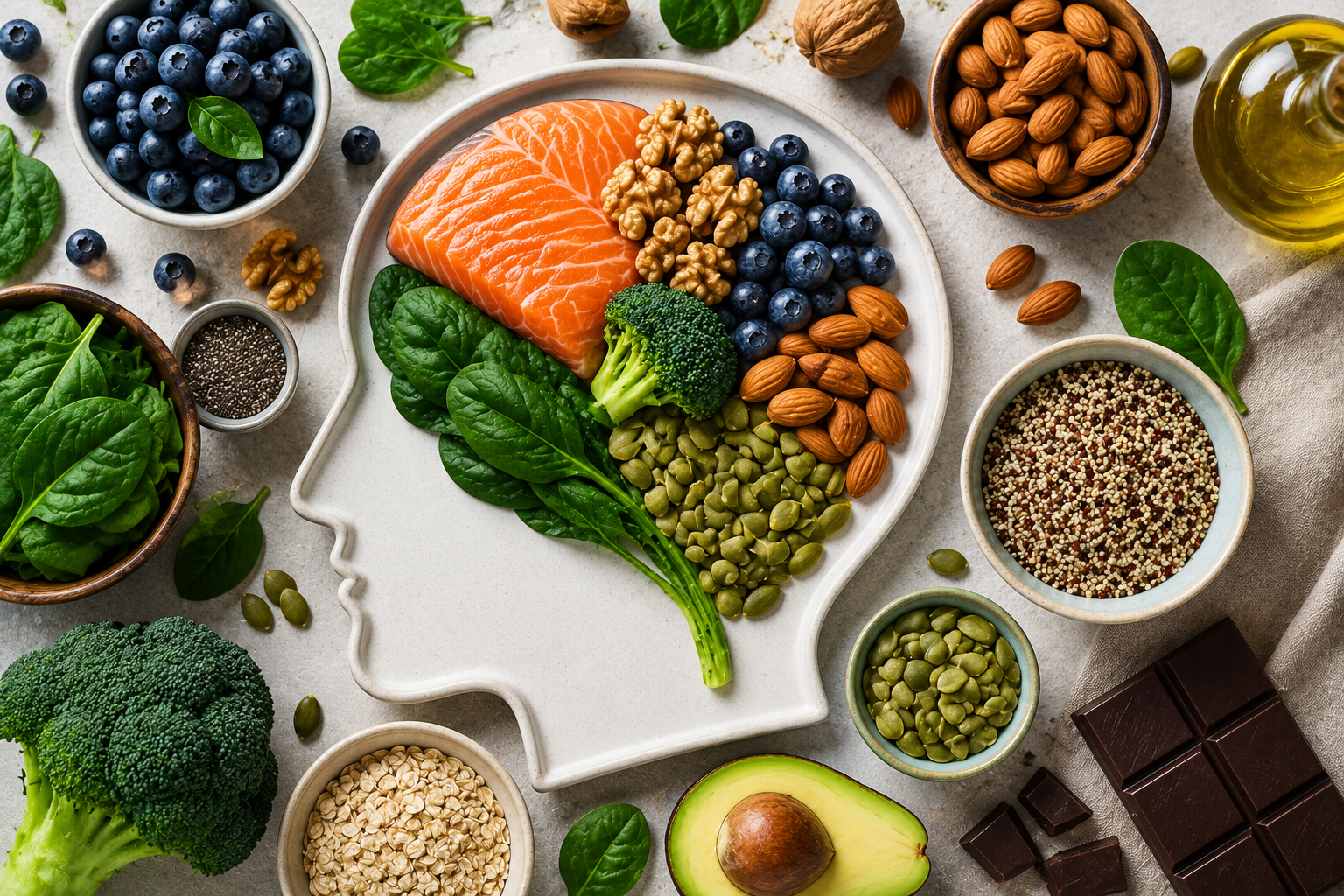
The best foods for brain health can play an important role in supporting memory, focus, cognitive function, and healthy aging as part of a balanced lifestyle. In this guide, you’ll discover nutrient-rich foods that nourish your brain naturally, along with practical tips for building brain-friendly meals you can enjoy every day.
When I first started paying closer attention to my health, I focused on the obvious things—walking more, sleeping better, and drinking enough water. Food was simply something to keep me full between a busy workday and evening plans.
Over time, though, I noticed something interesting.
On days when my meals were built around fresh vegetables, whole grains, healthy fats, and colorful fruits, I felt more alert. My thoughts seemed clearer, my concentration lasted longer, and I didn’t experience the same afternoon energy slump.
That curiosity led me to explore how everyday nutrition influences the brain—not through miracle foods or restrictive diets, but through simple ingredients that many of us can enjoy regularly.
In this guide to the Best Foods for Brain Health, you’ll discover how everyday foods can support memory, focus, learning, and overall cognitive wellness as part of a balanced lifestyle. Whether you’re a student preparing for exams, a professional looking to stay productive, or simply someone who wants to support healthy aging, building a brain-friendly plate can be one of the most rewarding habits you develop.
Rather than searching for a single “superfood,” think of brain health as the result of many nutritious choices working together over time.
Why Nutrition Matters for Brain Health
Your brain works around the clock.
Even while you’re sleeping, it continues processing memories, regulating emotions, coordinating body functions, and preparing you for a new day.
Although the brain represents only about 2% of your body weight, it uses approximately 20% of your body’s daily energy. That makes nutrition one of the most important lifestyle factors supporting normal brain function.
Every meal provides your brain with nutrients it uses to:
- Produce energy
- Build and maintain brain cells
- Support communication between neurons
- Help regulate mood
- Protect against oxidative stress
- Support learning and memory
- Maintain healthy cognitive function
Instead of thinking about food as fuel alone, it’s helpful to think of every meal as an opportunity to nourish one of the most remarkable organs in your body.
Research continues to explore how dietary patterns influence brain health over time. While no single food can guarantee perfect memory or prevent cognitive decline, consistently choosing nutrient-rich foods is widely recommended as part of a healthy lifestyle.
Suggested Internal Link
For a broader understanding of lifestyle habits that support cognitive wellness, read our Complete Brain Health Guide: Everyday Habits to Support Memory, Focus, and Lifelong Cognitive Wellness.
How Food Supports Memory, Focus, and Cognitive Function
The brain relies on a steady supply of nutrients throughout the day.
Healthy eating patterns help provide:
Healthy Fats
Certain fats are important structural components of brain cells.
Foods rich in unsaturated fats, especially omega-3 fatty acids, are commonly included in brain-healthy eating patterns.
Antioxidants
The brain is highly active and naturally produces free radicals during normal metabolism.
Antioxidants from fruits and vegetables help protect cells from oxidative stress.
Vitamins and Minerals
Nutrients such as B vitamins, vitamin E, magnesium, zinc, and iron all contribute to normal body functions that support overall health.
Fiber
Fiber supports digestive health and helps nourish beneficial gut bacteria, which communicate with the brain through the gut-brain axis.
Protein
Protein provides amino acids used to produce neurotransmitters—chemical messengers involved in communication between brain cells.
Rather than looking for one perfect ingredient, building balanced meals rich in a variety of whole foods remains one of the simplest strategies for supporting long-term brain health.
Best Foods for Brain Health: Blueberries
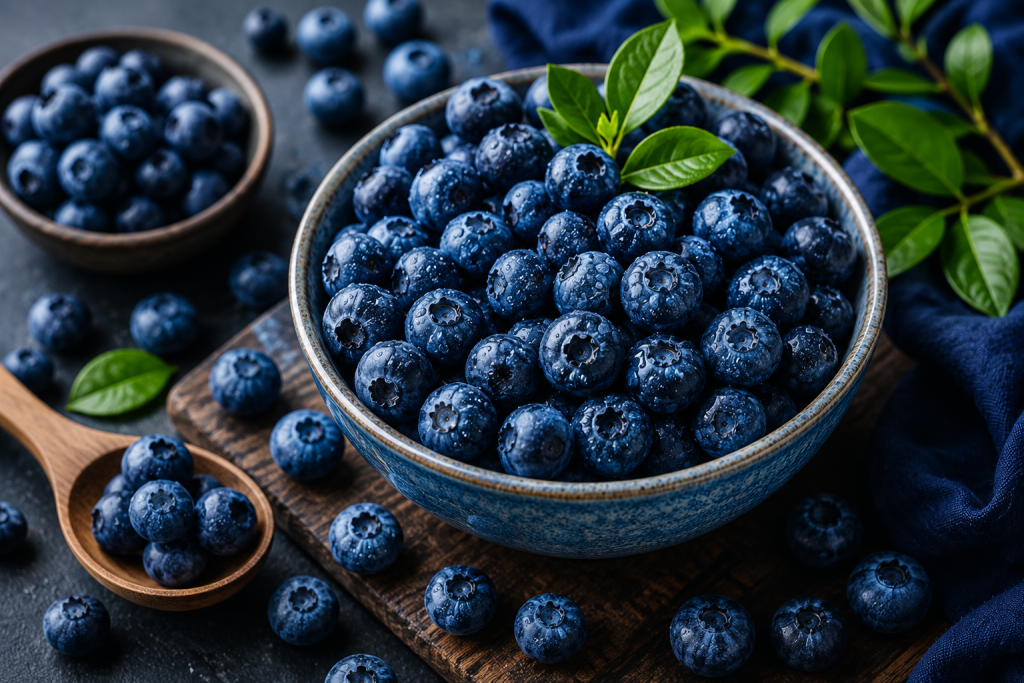
If there were one food that consistently appears in conversations about brain-friendly nutrition, blueberries would almost certainly make the list.
These small berries are naturally rich in plant compounds known as anthocyanins, which give them their deep blue color.
They’re also packed with vitamins, fiber, and antioxidants.
Blueberries are wonderfully versatile.
You can enjoy them:
- Fresh
- Frozen
- In oatmeal
- Mixed into yogurt
- Added to smoothies
- Tossed into salads
- As a simple afternoon snack
I always keep a bag of frozen blueberries in my freezer. They’re affordable, available year-round, and easy to add to breakfast without much effort.
Sometimes the healthiest habits are also the easiest to maintain.
The Harvard T.H. Chan School of Public Health offers practical nutrition guidance that encourages eating a wide variety of fruits and vegetables as part of a balanced diet.
Best Foods for Brain Health: Fatty Fish
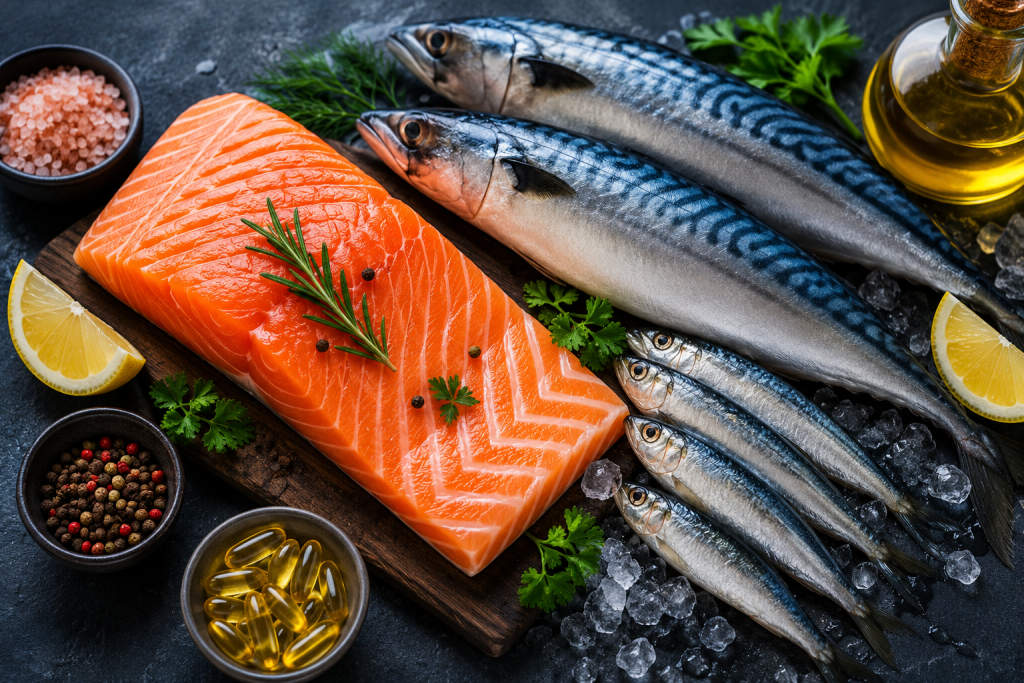
When people talk about foods that support brain health, fatty fish often receives well-deserved attention.
Examples include:
- Salmon
- Sardines
- Mackerel
- Trout
- Herring
These fish provide omega-3 fatty acids, which are important components of brain cell membranes.
Many dietary guidelines recommend including fish as part of a balanced eating pattern.
If you don’t regularly eat seafood, speak with a qualified healthcare professional before considering supplements, as nutritional needs vary from person to person.
Personally, I enjoy grilled salmon with roasted vegetables because it’s simple to prepare and works well for both lunch and dinner.
Healthy eating doesn’t need to be complicated.
Learn more in our detailed guide: Omega-3 for Brain Function: Benefits, Food Sources, and Everyday Nutrition Tips.
Best Foods for Brain Health: Leafy Green Vegetables
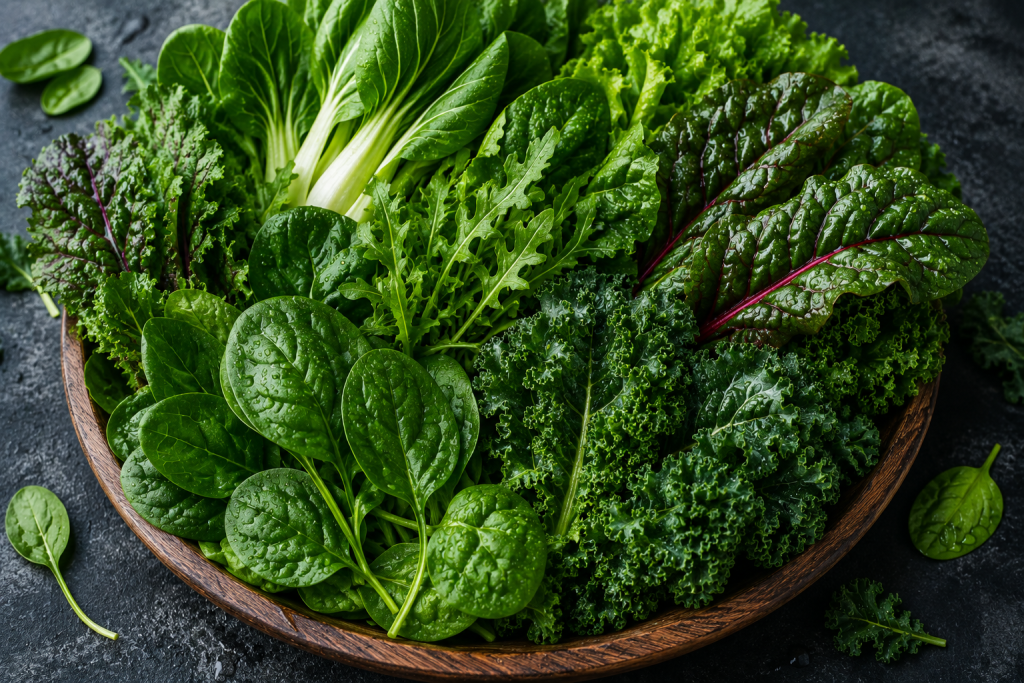
When I visit local farmers’ markets, leafy greens are usually the first thing that catches my eye.
Spinach, kale, Swiss chard, arugula, and other leafy vegetables are among the most nutrient-dense foods available.
They’re naturally rich in:
- Folate
- Vitamin K
- Vitamin C
- Fiber
- Plant compounds
Adding more greens doesn’t mean eating salads every day.
Try:
- Blending spinach into smoothies
- Adding kale to soups
- Mixing greens into pasta dishes
- Including them in omelets
- Stir-frying with garlic and olive oil
Small additions quickly become lasting habits.
Best Foods for Brain Health: Walnuts
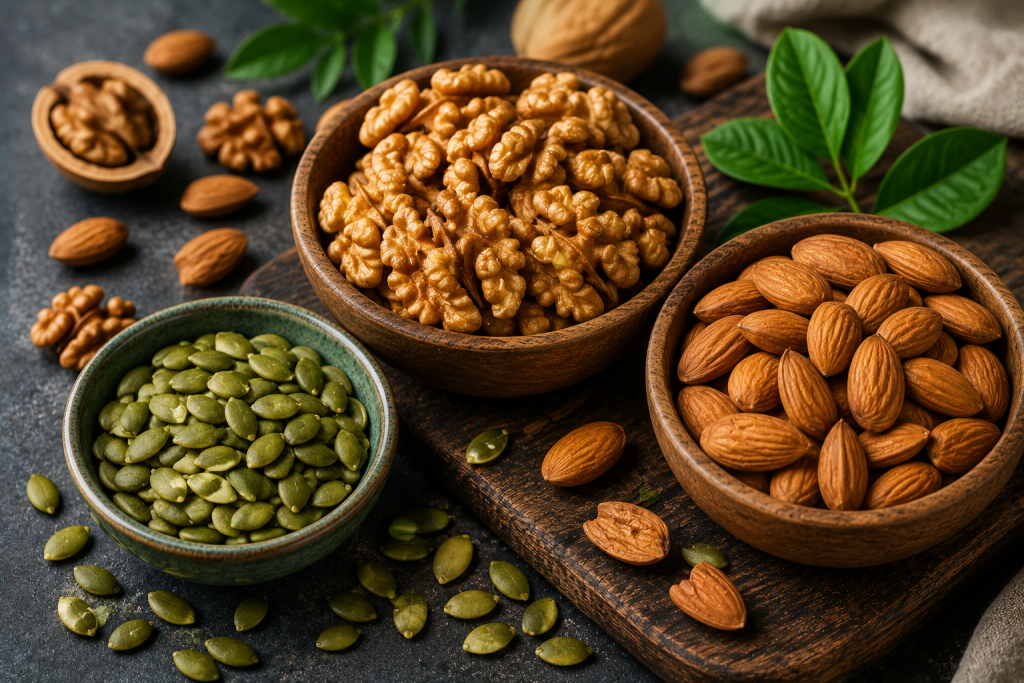
Among all nuts, walnuts are especially interesting because their shape even resembles a miniature brain.
While appearances don’t determine nutritional value, walnuts do offer a combination of healthy fats, plant protein, fiber, and antioxidants.
They’re easy to include throughout the day.
Ideas include:
- Sprinkle over oatmeal
- Add to yogurt
- Mix into salads
- Blend into homemade trail mix
- Enjoy as an afternoon snack
Portion awareness still matters, but walnuts can easily become part of a balanced eating pattern.
Best Foods for Brain Health: Eggs
Eggs remain one of the most nutritious and versatile foods available.
They contain high-quality protein along with several vitamins and minerals involved in normal body functions.
Whether boiled, poached, scrambled, or added to vegetable-filled omelets, eggs make a satisfying breakfast that may help keep energy levels steady throughout the morning.
One habit I’ve adopted is pairing eggs with vegetables instead of refined carbohydrates whenever possible.
It’s a small change that leaves me feeling fuller and more energized.
Best Foods for Brain Health: Pumpkin Seeds
Pumpkin seeds may be tiny, but they’re packed with nutrients.
They naturally provide:
- Magnesium
- Zinc
- Iron
- Healthy fats
- Plant protein
They’re also incredibly convenient.
Keep a small container in your kitchen and sprinkle them onto:
- Salads
- Oatmeal
- Smoothie bowls
- Yogurt
- Homemade granola
Healthy eating becomes much easier when nutritious foods are visible and easy to reach.
Build Your Plate, Not Just Your Grocery List
One lesson I’ve learned is that individual foods rarely work in isolation.
Instead of asking:
“Which single food is best for my brain?”
Try asking:
“How can I build today’s meals around a variety of colorful, minimally processed foods?”
A breakfast with berries, oats, yogurt, and walnuts.
A lunch with leafy greens, grilled salmon, and whole grains.
A snack of fruit and pumpkin seeds.
A dinner filled with vegetables, legumes, and healthy fats.
Those meals naturally combine many nutrients your brain appreciates.
Consistency almost always beats perfection.
Best Foods for Brain Health: Whole Grains
Whole grains may not receive as much attention as berries or salmon, but they deserve a place on every brain-friendly plate.
Unlike refined grains, whole grains retain their bran, germ, and endosperm, providing a richer source of fiber, vitamins, minerals, and plant compounds.
Examples include:
- Oats
- Brown rice
- Quinoa
- Whole wheat
- Barley
- Buckwheat
- Millet
One reason I enjoy starting the day with oatmeal is that it provides steady energy rather than a quick spike followed by a crash.
Our brains rely on a consistent supply of glucose from nutritious foods. Choosing fiber-rich whole grains can help maintain more stable energy throughout the day.
Simple ways to eat more whole grains:
- Replace white rice with brown rice or quinoa.
- Choose whole-grain bread instead of refined bread.
- Add oats to smoothies or overnight oats.
- Experiment with barley in soups and stews.
Healthy eating doesn’t always mean adding more foods—it sometimes means making smarter swaps.
Best Foods for Brain Health: Avocados
Few foods are as creamy and satisfying as avocados.
They’re naturally rich in monounsaturated fats, fiber, potassium, and several vitamins, making them a popular choice in balanced eating patterns.
I love how versatile they are.
Try avocado:
- On whole-grain toast
- In salads
- Blended into smoothies
- As homemade guacamole
- Added to grain bowls
- Sliced into sandwiches
Rather than replacing every meal, avocado simply adds another nutritious option to your weekly routine.
Best Foods for Brain Health: Extra Virgin Olive Oil
One ingredient I always keep in my kitchen is extra virgin olive oil.
It’s simple, flavorful, and widely used in Mediterranean-style eating patterns.
Instead of relying on heavy sauces, a drizzle of olive oil over vegetables, salads, roasted potatoes, or whole grains often adds all the flavor a meal needs.
Many nutrition experts recommend replacing highly processed fats with healthier unsaturated fats whenever appropriate.
The American Heart Association recommends replacing saturated fats with healthier unsaturated fats as part of an overall heart-healthy eating pattern.
Best Foods for Brain Health: Dark Chocolate
This might be everyone’s favorite section.
Yes, dark chocolate can fit into a balanced lifestyle.
Dark chocolate contains naturally occurring plant compounds called flavonoids.
The key is moderation.
Choose varieties with a higher cocoa content and enjoy them as an occasional treat rather than an everyday dessert.
I often pair a small piece of dark chocolate with fresh berries after dinner.
It feels satisfying without becoming excessive.
Best Foods for Brain Health: Green Tea
Some afternoons call for another coffee.
Other days, I reach for green tea instead.
Green tea has been enjoyed for centuries and contains naturally occurring plant compounds along with moderate amounts of caffeine.
Many people appreciate that it provides a gentler lift than stronger caffeinated beverages.
Whether served hot or iced, green tea can be a refreshing addition to a balanced lifestyle.
Best Foods for Brain Health: Turmeric
Turmeric has been used in traditional cooking for generations.
Its vibrant golden color makes soups, curries, rice dishes, and roasted vegetables even more inviting.
Rather than viewing turmeric as a miracle ingredient, think of it as another flavorful spice that contributes variety to your meals.
Cooking with herbs and spices also helps reduce reliance on excess salt while making meals more enjoyable.
Best Foods for Brain Health: Fermented Foods
A growing body of research continues to explore the connection between digestive health and overall well-being.
Fermented foods may help add variety to your diet while supporting a healthy gut microbiome.
Examples include:
- Yogurt
- Kefir
- Kimchi
- Sauerkraut
- Miso
- Tempeh
You don’t need large amounts.
Even small servings included regularly can add diversity to your meals.
Explore our article Gut Health and the Brain: Understanding the Gut-Brain Connection Naturally.
Best Foods for Brain Health: Beans and Lentils
Beans and lentils are among the most affordable nutrient-rich foods available.
They’re naturally high in:
- Plant protein
- Fiber
- Iron
- Magnesium
- Folate
They’re also incredibly versatile.
Use them in:
- Soups
- Curries
- Salads
- Wraps
- Grain bowls
- Homemade burgers
One of my favorite comfort meals is lentil soup with whole-grain bread.
It’s simple, filling, and easy to prepare in large batches.
Best Foods for Brain Health: Nuts and Seeds Beyond Walnuts
Although walnuts receive much of the attention, they’re far from the only nutritious option.
Other excellent choices include:
- Almonds
- Pistachios
- Cashews
- Sunflower seeds
- Sesame seeds
- Chia seeds
- Flaxseeds
Rather than eating the same nuts every day, rotating different varieties provides greater nutritional diversity.
Homemade trail mix has become one of my favorite travel snacks because it’s convenient, portable, and satisfying.
Herbs and Spices That Add Flavor Naturally
Healthy eating shouldn’t feel bland.
Fresh herbs and spices transform simple ingredients into memorable meals.
Try using:
- Basil
- Parsley
- Rosemary
- Thyme
- Oregano
- Cinnamon
- Ginger
- Garlic
Cooking with herbs encourages you to enjoy whole foods while reducing dependence on heavily processed seasonings.
Foods to Limit for Better Brain Health
Supporting brain health isn’t only about what we add.
It’s also about being mindful of foods we eat too often.
There’s no need to eliminate favorite treats entirely.
Instead, aim for balance.
Consider limiting:
Highly Processed Foods
Packaged snacks and ultra-processed convenience foods often contain high amounts of sodium, added sugars, and refined ingredients.
Sugar-Sweetened Drinks
Soft drinks and sugary beverages contribute excess calories without providing much nutritional value.
Replacing one sugary drink each day with water or unsweetened tea can become a meaningful long-term habit.
Refined Carbohydrates
Examples include:
- White bread
- Pastries
- Sugary breakfast cereals
- Cakes
- Cookies
Enjoying these occasionally is perfectly reasonable, but building meals around whole foods provides more consistent nourishment.
Excessive Alcohol
Moderation remains important.
If you choose to drink alcohol, following local health recommendations is generally advised.
Building a Brain-Healthy Grocery List
One habit that has simplified my weekly shopping is using a simple checklist.
Instead of buying random ingredients, I aim for balance.
Fruits
- Blueberries
- Apples
- Oranges
- Strawberries
- Bananas
Vegetables
- Spinach
- Kale
- Broccoli
- Bell peppers
- Tomatoes
Healthy Fats
- Olive oil
- Avocados
- Walnuts
- Almonds
- Pumpkin seeds
Protein
- Eggs
- Salmon
- Sardines
- Lentils
- Chickpeas
- Greek yogurt
Whole Grains
- Oats
- Brown rice
- Quinoa
- Whole-grain bread
Shopping becomes much easier when you know exactly what supports your goals.
A Simple Brain-Healthy Plate
Rather than counting nutrients, use this easy visual guide.
Fill:
🥗 Half your plate
Colorful vegetables and fruit.
🍗 One-quarter
Lean protein.
🌾 One-quarter
Whole grains or fiber-rich carbohydrates.
🥑 Add
Healthy fats.
💧 Drink
Water throughout the day.
Simple habits often become lasting habits.
Best Foods for Brain Health: A Simple 7-Day Brain-Healthy Meal Plan
One of the biggest misconceptions about healthy eating is that it has to be complicated.
In reality, the most sustainable eating habits are often the simplest. You don’t need expensive superfoods or a perfectly planned diet. Instead, focus on filling your week with a variety of colorful, minimally processed foods that you genuinely enjoy.
Here’s a simple meal framework you can adapt to your preferences.
Monday
Breakfast
Oatmeal topped with blueberries, walnuts, and chia seeds.
Lunch
Grilled salmon with quinoa, spinach, and roasted vegetables.
Snack
Greek yogurt with fresh berries.
Dinner
Lentil soup with whole-grain bread and a mixed salad.
Tuesday
Breakfast
Vegetable omelet with whole-grain toast.
Lunch
Chickpea and avocado salad with olive oil dressing.
Snack
Apple slices with almond butter.
Dinner
Grilled chicken with brown rice and steamed broccoli.
Wednesday
Breakfast
Greek yogurt with strawberries, pumpkin seeds, and oats.
Lunch
Quinoa bowl with roasted vegetables and black beans.
Snack
A handful of mixed nuts.
Dinner
Baked trout with sweet potato and green beans.
Thursday
Breakfast
Whole-grain toast topped with avocado and boiled eggs.
Lunch
Turkey and spinach wrap with fresh fruit.
Snack
Carrot sticks with hummus.
Dinner
Vegetable stir-fry with tofu and brown rice.
Friday
Breakfast
Smoothie with spinach, blueberries, banana, yogurt, and flaxseeds.
Lunch
Mediterranean grain bowl with chickpeas and olive oil.
Snack
Dark chocolate and walnuts.
Dinner
Grilled sardines with roasted vegetables.
Saturday
Breakfast
Whole-grain pancakes with fresh berries.
Lunch
Lentil curry with brown rice.
Snack
Mixed seeds and fruit.
Dinner
Baked salmon with asparagus and quinoa.
Sunday
Breakfast
Vegetable frittata with whole-grain toast.
Lunch
Large mixed salad with grilled chicken and avocado.
Snack
Fresh fruit and pumpkin seeds.
Dinner
Homemade vegetable soup with whole-grgrain bread.
Everyday Eating Habits That Support Brain Health
Individual foods matter, but your daily habits matter even more.
Over the years, I’ve found that consistency always beats perfection.
These simple habits have become part of my routine:
- Start the day with a nourishing breakfast.
- Include colorful vegetables at every meal.
- Choose whole grains more often than refined grains.
- Drink water regularly throughout the day.
- Snack on fruit, nuts, or yogurt instead of highly processed foods.
- Cook at home whenever possible.
- Eat slowly and mindfully.
- Enjoy meals with family or friends when you can.
Healthy eating should fit into your life—not make life feel more complicated.
Common Nutrition Myths About Brain Health
The internet is full of nutrition advice, but not all of it is accurate. Let’s clear up a few common myths.
Myth 1: One Superfood Can Boost Your Brain Overnight
There is no single food that dramatically improves memory or intelligence overnight.
Brain health is built through consistent eating patterns rather than one “miracle” ingredient.
Myth 2: Healthy Eating Has to Be Expensive
Many affordable foods are excellent choices for brain health.
Examples include:
- Oats
- Lentils
- Eggs
- Frozen berries
- Brown rice
- Beans
- Canned sardines
- Seasonal vegetables
Nutritious eating doesn’t require luxury ingredients.
Myth 3: Carbohydrates Are Bad for Your Brain
Not all carbohydrates are the same.
Whole grains, fruits, vegetables, and legumes provide fiber and nutrients that contribute to a balanced diet.
Choosing whole-food carbohydrate sources is very different from relying on highly processed, sugary foods.
Myth 4: Supplements Can Replace Healthy Meals
Supplements may be appropriate for some individuals under professional guidance, but they are not substitutes for a varied, balanced diet.
Whole foods provide a complex combination of nutrients that work together naturally.
Frequently Asked Questions
What are the best foods for brain health?
Some of the best foods for brain health include blueberries, leafy green vegetables, fatty fish, walnuts, eggs, pumpkin seeds, whole grains, avocados, olive oil, beans, lentils, and fermented foods. Eating a variety of these foods as part of a balanced diet can support overall cognitive wellness.
Which fruit is best for brain health?
Blueberries are among the most popular fruits associated with brain health because they contain naturally occurring antioxidants and are easy to include in everyday meals. Other nutritious fruits include strawberries, oranges, apples, and avocados.
Is the Mediterranean diet good for brain health?
The Mediterranean-style eating pattern emphasizes vegetables, fruits, whole grains, legumes, olive oil, nuts, seeds, and fish. It is widely recognized as a healthy dietary pattern that supports overall health and wellness.
What foods should I limit for better brain health?
Try to limit ultra-processed foods, sugar-sweetened beverages, excessive added sugars, refined carbohydrates, and excessive alcohol. Instead, focus on whole, minimally processed foods most of the time.
Can healthy eating improve memory?
A balanced diet supports overall brain health and normal cognitive function. While no food guarantees better memory, consistently choosing nutrient-rich foods can contribute to long-term brain wellness as part of a healthy lifestyle.
Gentle Final Thoughts
One of the things I appreciate most about nutrition is that every meal offers a fresh opportunity to care for ourselves.
You don’t have to eat perfectly.
You don’t need to follow every trend or buy every so-called superfood.
Instead, start with simple choices.
Add another serving of vegetables.
Swap refined grains for whole grains.
Snack on fruit instead of highly processed foods.
Choose water more often.
Cook one extra homemade meal this week.
Those small decisions may not seem remarkable today, but over months and years they become part of a healthier lifestyle.
Your brain works incredibly hard for you every single day.
Supporting it with nourishing foods is one of the simplest and most rewarding investments you can make.