
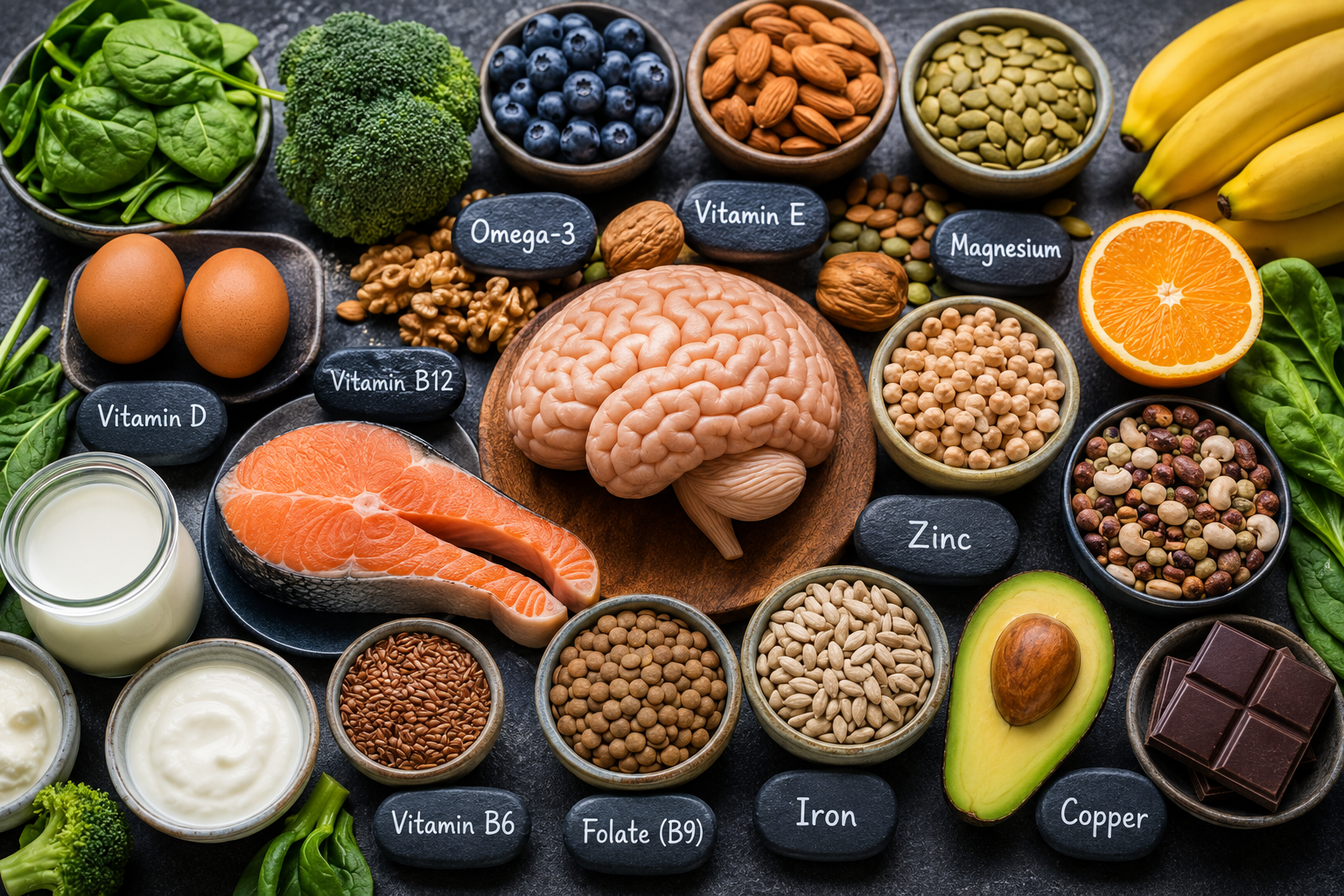
The best vitamins and minerals for brain health help support memory, focus, cognitive function, and overall mental well-being as part of a balanced lifestyle. While no single nutrient is a magic solution, getting the right balance of essential vitamins and minerals through nutritious foods can help your brain perform at its best throughout every stage of life.
For a long time, I believed that improving brain health was all about eating more vegetables and getting enough sleep.
Those habits certainly matter.
But as I became more interested in nutrition, I discovered that many of the foods we enjoy every day are valuable because of the vitamins and minerals they contain. These nutrients quietly support countless processes inside the body, including energy production, nerve function, and communication between brain cells.
It reminded me that brain health isn’t built around one miracle food or one supplement.
It’s built through consistent habits and a varied diet rich in whole foods.
In this guide, we’ll explore the vitamins and minerals most closely associated with healthy brain function, where to find them naturally, and simple ways to include them in everyday meals.
Understanding the best vitamins & minerals for brain health can help you make informed food choices that support memory, focus, and long-term cognitive wellness.
Why Best Vitamins & Minerals for Brain Health Matter
Your brain is one of the busiest organs in your body.
Even while you sleep, it’s actively processing memories, regulating emotions, supporting movement, and coordinating countless functions that keep you alive.
To perform these tasks efficiently, your brain relies on a steady supply of nutrients.
Vitamins and minerals help support:
- Normal nervous system function
- Energy metabolism
- Communication between nerve cells
- Cognitive function
- Memory and learning
- Protection against oxidative stress
- Overall physical and mental well-being
Rather than working alone, these nutrients often work together.
That’s one reason why a balanced eating pattern generally provides greater benefits than relying on individual nutrients in isolation.
For a complete overview of healthy habits that support cognitive wellness, read our Complete Brain Health Guide: Everyday Habits to Support Memory, Focus, and Lifelong Cognitive Wellness.
Can Food Alone Provide the Best Vitamins & Minerals for Brain Health?
For many people, a varied, balanced diet can provide many of the vitamins and minerals needed for overall health.
Foods such as:
- Leafy green vegetables
- Fruits
- Whole grains
- Eggs
- Dairy products
- Fish
- Legumes
- Nuts
- Seeds
naturally contain a wide range of nutrients.
However, individual nutritional needs vary depending on age, dietary preferences, medical conditions, medications, and other factors.
If you think you may have a nutritional deficiency, it’s always best to speak with a qualified healthcare professional before starting supplements.
Best Vitamins & Minerals for Brain Health: Vitamin B Complex
When people ask about nutrients for brain health, B vitamins are often among the first to be mentioned.
That’s because several B vitamins contribute to normal energy metabolism and nervous system function.
The B-complex family includes:
- Vitamin B1 (Thiamine)
- Vitamin B2 (Riboflavin)
- Vitamin B3 (Niacin)
- Vitamin B5 (Pantothenic Acid)
- Vitamin B6
- Vitamin B7 (Biotin)
- Vitamin B9 (Folate)
- Vitamin B12
Although each vitamin has its own role, they work together to support many essential processes throughout the body.
Vitamin B1 (Thiamine)
Thiamine helps convert the food we eat into energy.
Because the brain has high energy demands, adequate thiamine intake is important for normal body function.
Food sources include:
- Whole grains
- Brown rice
- Beans
- Lentils
- Sunflower seeds
- Pork
Vitamin B6
Vitamin B6 contributes to normal nervous system function and helps the body produce certain neurotransmitters involved in communication between brain cells.
Food sources include:
- Bananas
- Chickpeas
- Potatoes
- Poultry
- Salmon
Vitamin B9 (Folate)
Folate plays an important role in normal cell growth and development.
It’s naturally found in many vegetables and legumes.
Food sources include:
- Spinach
- Kale
- Asparagus
- Lentils
- Black beans
- Avocados
Vitamin B12
Vitamin B12 supports normal nerve function and the formation of red blood cells.
Because it’s found primarily in animal-based foods, people following vegetarian or vegan diets may wish to discuss their intake with a healthcare professional.
Food sources include:
- Fish
- Eggs
- Milk
- Yogurt
- Cheese
- Lean meat
The National Institutes of Health Office of Dietary Supplements (NIH ODS) provides detailed fact sheets on B vitamins and their roles in overall health.
Best Vitamins & Minerals for Brain Health: Vitamin D
Vitamin D is often associated with bone health, but researchers continue exploring its broader role in overall well-being, including brain health.
Our bodies naturally produce vitamin D when skin is exposed to sunlight, although many factors influence how much is produced.
Food sources include:
- Salmon
- Sardines
- Egg yolks
- Fortified dairy products
- Fortified cereals
Depending on where you live and your lifestyle, your healthcare provider may recommend testing your vitamin D levels if deficiency is suspected.
Vitamin D is widely recognized as one of the best vitamins & minerals for brain health because it contributes to many important functions throughout the body.
The Mayo Clinic offers practical guidance on vitamin D, including sources and factors that affect healthy levels.
Best Vitamins & Minerals for Brain Health: Vitamin E
Vitamin E is a fat-soluble vitamin that acts as an antioxidant, helping protect cells from oxidative stress.
It occurs naturally in a variety of plant foods.
Food sources include:
- Almonds
- Sunflower seeds
- Hazelnuts
- Spinach
- Avocados
- Olive oil
One thing I enjoy about Mediterranean-style meals is that many naturally include foods rich in vitamin E alongside healthy fats and colorful vegetables.
Rather than focusing on one nutrient, they encourage dietary variety.
Discover more brain-friendly foods in our article Best Foods for Brain Health: A Complete Nutrition Guide for Memory, Focus, and Cognitive Wellness.
Why Whole Foods Come First
It can be tempting to search for the “best supplement” to improve memory or focus.
But for most healthy adults, building meals around whole foods is usually the best starting point.
Whole foods provide:
- Vitamins
- Minerals
- Fiber
- Healthy fats
- Protein
- Plant compounds
—all working together in ways that supplements cannot fully replicate.
Supplements may be helpful in specific situations, but they should complement—not replace—a balanced diet and professional medical advice when needed.
Small Nutrients, Big Impact
One thing I’ve learned through exploring nutrition is that the smallest nutrients often support the biggest systems.
A handful of almonds.
A bowl of spinach.
A serving of salmon.
A spoonful of lentils.
None of these foods seems extraordinary on its own.
Yet together, they provide many of the vitamins and minerals your brain relies on every day.
Supporting brain health isn’t about chasing perfection.
It’s about making consistent, nourishing choices that add up over time.
Best Vitamins & Minerals for Brain Health: Magnesium
Magnesium is involved in hundreds of processes throughout the body, making it one of the most important minerals for overall health.
Although many people associate magnesium with muscles and sleep, it also contributes to normal nervous system function and plays an important role in healthy brain function.
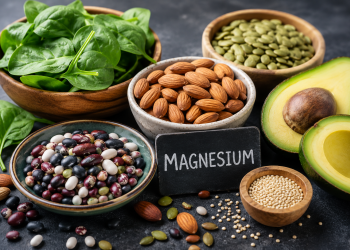
I never paid much attention to magnesium until I started choosing more whole foods over processed snacks. Eating more leafy greens, beans, seeds, and nuts naturally increased my magnesium intake without much effort.
Foods Rich in Magnesium
Include more of these foods in your weekly meals:
- Pumpkin seeds
- Almonds
- Cashews
- Spinach
- Black beans
- Lentils
- Oats
- Brown rice
- Dark chocolate
Rather than focusing on supplements first, many people can increase their magnesium intake simply by eating a wider variety of whole foods.
Magnesium is often included among the best vitamins & minerals for brain health due to its role in normal nervous system function.
Read our in-depth guide: Magnesium and Brain Health: Benefits, Food Sources, and Everyday Wellness Tips.
The National Institutes of Health Office of Dietary Supplements provides detailed information about magnesium, including food sources and recommended intakes.
Best Vitamins & Minerals for Brain Health: Zinc
Zinc is another essential mineral involved in many important processes throughout the body.
It contributes to normal immune function, protein synthesis, and healthy cell growth while also supporting normal nervous system function.
Although only small amounts are needed, getting enough zinc through a balanced diet is important.
Food Sources of Zinc
- Pumpkin seeds
- Chickpeas
- Lentils
- Cashews
- Yogurt
- Cheese
- Lean meat
- Seafood
Choosing a variety of these foods throughout the week helps support overall nutrition.
Best Vitamins & Minerals for Brain Health: Iron
Iron helps transport oxygen throughout the body.
When iron intake is too low, some people may experience tiredness or reduced energy, which can also affect concentration and daily activities.
Because iron needs vary by age, sex, and individual health, it’s best to discuss concerns about iron deficiency with a healthcare professional rather than self-diagnosing.
Iron-Rich Foods
- Lean beef
- Lentils
- Spinach
- Beans
- Tofu
- Pumpkin seeds
- Fortified cereals
Pairing plant-based iron sources with vitamin C-rich foods—such as oranges, strawberries, or bell peppers—can help improve iron absorption.
The NHS offers practical advice on iron-rich foods and maintaining healthy iron levels.
Choline: A Lesser-Known Brain Nutrient
Choline doesn’t receive as much attention as vitamins like B12 or vitamin D, but it’s an important nutrient involved in normal brain and nervous system function.
Your body produces small amounts of choline, but most comes from food.
Good Food Sources
- Eggs
- Salmon
- Chicken
- Soybeans
- Broccoli
- Brussels sprouts
Eggs remain one of the easiest and most affordable ways to include choline in your diet.
Omega-3 Fatty Acids
Strictly speaking, omega-3 fatty acids are healthy fats rather than vitamins or minerals.
However, it’s difficult to discuss brain nutrition without mentioning them.
Omega-3 fats are structural components of brain cells and are commonly included in healthy dietary patterns that support overall cognitive wellness.
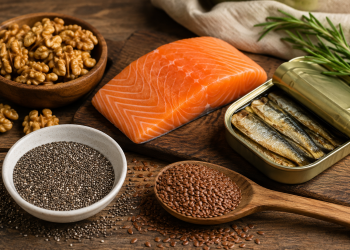
Foods Rich in Omega-3
- Salmon
- Sardines
- Mackerel
- Herring
- Trout
- Chia seeds
- Flaxseeds
- Walnuts
Rather than relying solely on supplements, aim to include these foods regularly as part of a balanced eating pattern whenever possible.
Learn more in Omega-3 for Brain Function: Benefits, Food Sources, and Everyday Nutrition Tips.
Antioxidants: Protecting Brain Cells
Every day, the body naturally produces molecules known as free radicals.
Antioxidants help protect cells from oxidative stress as part of normal body processes.
A colorful plate usually provides a wide range of antioxidant-rich foods.
Excellent Sources
- Blueberries
- Strawberries
- Blackberries
- Spinach
- Kale
- Broccoli
- Tomatoes
- Carrots
- Bell peppers
One habit I’ve developed is aiming to include at least three different colors on my plate at every meal.
It’s a simple reminder to eat more variety without overthinking nutrition.
Could a Nutrient Deficiency Affect Brain Function?
Certain vitamin or mineral deficiencies may contribute to symptoms such as tiredness, poor concentration, or reduced mental clarity.
Possible examples include deficiencies in:
- Vitamin B12
- Iron
- Vitamin D
- Folate
However, these symptoms can have many different causes.
Rather than guessing, it’s always best to speak with a healthcare professional if you experience ongoing fatigue, memory concerns, or changes in cognitive function.
Blood tests may help identify whether a nutritional deficiency is contributing.
The Mayo Clinic recommends professional evaluation if symptoms such as fatigue, weakness, or memory concerns persist.
Food First, Supplements Second
Walk into any pharmacy and you’ll see shelves filled with supplements promising sharper thinking and better memory.
It can be tempting to believe that one capsule is the answer.
In reality, healthy eating patterns still provide the strongest foundation for overall brain health.
Whole foods deliver:
- Vitamins
- Minerals
- Healthy fats
- Fiber
- Protein
- Phytonutrients
—all working together in ways that individual supplements can’t fully replicate.
Supplements may be appropriate in certain situations, but they’re generally most effective when used to address a confirmed deficiency or under the guidance of a healthcare professional.
Simple Daily Habits to Increase Brain-Supporting Nutrients
Healthy nutrition doesn’t have to be complicated.
Try these practical ideas:
- Add spinach to your morning omelet.
- Sprinkle pumpkin seeds over salads.
- Choose whole grains instead of refined grains.
- Eat oily fish once or twice a week if it fits your diet.
- Snack on almonds or walnuts.
- Include beans or lentils in soups and curries.
- Add berries to yogurt or oatmeal.
- Cook with olive oil instead of highly processed fats.
Small habits repeated consistently often make the biggest difference.
Best Vitamins & Minerals for Brain Health: Food vs Supplements
One of the most common questions people ask is whether they should get their nutrients from food or take supplements instead.
For most healthy adults, a balanced diet remains the best place to start.
Whole foods provide far more than individual vitamins or minerals. They also contain fiber, healthy fats, protein, and naturally occurring plant compounds that work together to support overall health.
Supplements can be helpful in certain situations, such as when a healthcare professional identifies a nutritional deficiency or recommends additional support based on individual needs.
Rather than replacing healthy eating, supplements should be viewed as something that may complement a balanced lifestyle when appropriate.
Building a Brain-Healthy Plate
Instead of focusing on individual nutrients every day, build meals that naturally provide a variety of vitamins and minerals.
A simple approach is to fill your plate with:
🥬 Half the plate
Colorful vegetables and fruit.
🍗 One-quarter
Lean protein such as fish, eggs, beans, tofu, or poultry.
🌾 One-quarter
Whole grains like oats, brown rice, quinoa, or whole-wheat pasta.
🥜 Healthy fats
Add olive oil, avocado, nuts, or seeds.
💧 Hydration
Drink water regularly throughout the day.
This simple pattern makes it easier to obtain many essential nutrients without complicated meal planning.
Common Myths About Vitamins for Brain Health
Myth 1: One Supplement Can Improve Memory Overnight
There isn’t a single vitamin or supplement that instantly improves memory or concentration.
Long-term brain health is built through healthy eating, regular exercise, quality sleep, stress management, and lifelong learning.
Myth 2: More Vitamins Are Always Better
More isn’t necessarily better.
Taking high doses of certain vitamins or minerals without medical advice may not provide additional benefits and, in some cases, may be harmful.
Following recommended intake levels and professional guidance is the safest approach.
Myth 3: Supplements Can Replace Healthy Meals
Supplements cannot replace the wide range of nutrients found naturally in whole foods.
A balanced diet remains the foundation of good nutrition.
Myth 4: Only Older Adults Need Brain-Supporting Nutrients
Every stage of life places demands on the brain.
Students, working professionals, parents, and older adults all benefit from eating a balanced diet that supports overall cognitive wellness.
Best Vitamins & Minerals for Brain Health: Food vs Supplements
What are the best vitamins for brain health?
Some of the most widely discussed vitamins for brain health include the B-complex vitamins, vitamin D, and vitamin E. These nutrients contribute to normal nervous system function and overall health when consumed as part of a balanced diet.
Which minerals support brain function?
Important minerals include magnesium, zinc, iron, and choline-rich foods that contribute to normal body functions related to the nervous system and energy metabolism.
Should I take supplements for brain health?
Not everyone needs supplements.
Many people can obtain the nutrients they need through a varied diet. If you think you may have a nutritional deficiency, speak with a qualified healthcare professional before starting supplements.
Which foods contain the most brain-supporting nutrients?
Foods rich in vitamins and minerals include:
- Leafy green vegetables
- Fatty fish
- Eggs
- Berries
- Nuts
- Seeds
- Beans
- Lentils
- Whole grains
- Dairy products
Eating a variety of these foods helps provide a broad range of nutrients.
Can vitamin deficiencies affect memory and focus?
Some vitamin or mineral deficiencies may contribute to symptoms such as fatigue, poor concentration, or reduced mental clarity. Because these symptoms can have many different causes, it’s important to seek medical advice if they persist.
Gentle Final Thoughts
One of the most encouraging things about nutrition is that small choices really do matter.
You don’t need to eat perfectly every day.
You don’t need to memorize every vitamin or mineral.
Instead, focus on building meals filled with colorful vegetables, whole grains, healthy fats, quality protein, fruits, nuts, and seeds.
Those simple habits naturally provide many of the nutrients your brain relies on.
Supporting brain health isn’t about chasing the latest supplement trend.
It’s about creating a lifestyle that consistently nourishes both your body and mind.
The meals you choose today can become part of a routine that supports your well-being for years to come.