
Gut health and brain health are closely connected through the gut-brain axis, a communication network that links the digestive system with the brain. While researchers are still learning about this relationship, current evidence suggests that a healthy gut microbiome, balanced nutrition, regular exercise, quality sleep and stress management all contribute to overall well-being. Therefore, caring for your digestive health is one important part of supporting lifelong brain health.
At a Glance
| Topic | Quick Fact |
|---|---|
| Main Connection | Gut-brain axis |
| Supports | Digestive health, nervous system function and overall wellness |
| Best Foods | Fruits, vegetables, whole grains, legumes, yogurt and fermented foods |
| Healthy Habits | Exercise, sleep, hydration and stress management |
| Works Best With | Balanced nutrition and an active lifestyle |
What the Research Says About Gut Health and Brain Health
Researchers have become increasingly interested in how the digestive system and brain communicate. Although many questions remain, studies suggest that the gut microbiome, nervous system, immune system and hormones all play important roles in this two-way communication.
However, it is important to understand that no single food, supplement or probiotic can guarantee better brain health. Instead, current evidence supports an overall healthy lifestyle that includes a varied diet, regular movement, restorative sleep and effective stress management.
If you’re new to this topic, begin with our Brain Health Guide to understand how lifestyle habits work together to support cognitive wellness.
For evidence-based information about digestive health and nutrition, visit the National Institutes of Health (NIH).
Table of Contents
- What Is Gut Health and Brain Health?
- Understanding the Gut-Brain Axis
- The Gut Microbiome Explained
- How the Gut and Brain Communicate
- Why Gut Health Matters
- Factors That Influence the Gut Microbiome
- Frequently Asked Questions
- References
What Is Gut Health and Brain Health?
Gut health and brain health describe the relationship between the digestive system and the brain. More specifically, this connection involves the gut microbiome, the nervous system, the immune system and several chemical messengers that allow the body to communicate internally.
The gut microbiome consists of trillions of microorganisms, including bacteria, fungi and other microbes that naturally live in the digestive tract. Most of these microorganisms are harmless, and many contribute to normal digestive processes.
Importantly, researchers continue to study how maintaining a diverse and balanced gut microbiome may support overall health. Nevertheless, the gut microbiome is only one part of a much larger picture that includes nutrition, sleep, physical activity and genetics.
Understanding the Gut-Brain Axis
The gut-brain axis is the communication network connecting the digestive system and the brain.
Rather than sending information in only one direction, communication happens continuously between both systems.
For example, the brain can influence digestion during stressful situations. Likewise, signals from the digestive system travel back to the brain through nerves, hormones and immune pathways.
Consequently, researchers often describe this relationship as a two-way conversation rather than a one-way process.
Although scientists continue to investigate exactly how this system works, the gut-brain axis is now widely recognised as an important area of health research.
You can explore published scientific studies through PubMed.
The Gut Microbiome Explained
The gut microbiome refers to the collection of microorganisms naturally living inside the digestive tract.
These microorganisms help perform several important functions.
For example, they assist with:
- Digesting certain foods
- Producing some vitamins
- Supporting immune function
- Maintaining the intestinal environment
At the same time, every person’s microbiome is unique.
Diet, age, environment, medications and lifestyle habits may all influence the composition of the gut microbiome over time.
Therefore, experts generally recommend focusing on long-term healthy habits instead of searching for a single “superfood.”
How the Gut and Brain Communicate
The gut and brain communicate through several interconnected systems.
The Vagus Nerve
One of the best-known communication pathways is the vagus nerve.
This nerve carries signals between the brain and many internal organs, including the digestive tract.
As a result, it forms one important link within the gut-brain axis.
The Immune System
Additionally, the immune system helps regulate communication throughout the body.
Researchers continue studying how immune responses may influence both digestive and neurological health.
Hormones
Hormones also play a role in communication between different organs.
For instance, hormones involved in digestion can send signals that influence appetite and other body functions.
The Gut Microbiome
Finally, microorganisms living in the digestive tract produce various compounds that researchers continue to investigate for their potential role in overall health.
Although this research is exciting, many questions remain unanswered, and further high-quality studies are still needed.
Why Gut Health and Brain Health Matter
Supporting gut health is beneficial for overall well-being.
However, it should be viewed as one part of a healthy lifestyle rather than a standalone solution.
A balanced eating pattern, regular physical activity, restorative sleep and effective stress management all work together.
For example:
- Fiber helps nourish beneficial gut bacteria.
- Exercise supports overall digestive and cardiovascular health.
- Quality sleep contributes to healthy body functions.
- Stress management supports both physical and emotional well-being.
Similarly, nutritious eating patterns such as those rich in fruits, vegetables, legumes and whole grains provide a wide variety of nutrients that support overall health.
If you’re looking to improve your diet, explore our Best Foods for Brain Health guide.
Factors That Influence Gut Health and Brain Health
Several daily habits influence the gut microbiome over time.
These include:
- Diet quality
- Fiber intake
- Physical activity
- Sleep habits
- Stress levels
- Hydration
- Medication use
- Smoking
- Alcohol consumption
Fortunately, many of these lifestyle factors are within your control.
Therefore, making small, consistent improvements often provides more sustainable benefits than making dramatic short-term changes.
Expert Tip
Instead of focusing on expensive supplements, begin by improving your everyday habits.
For instance, eating more vegetables, choosing whole grains, staying physically active and getting enough sleep can all contribute to better overall health.
Likewise, building healthy routines gradually is often easier to maintain over the long term than attempting major lifestyle changes overnight.
Best Foods for Gut Health and Brain Health
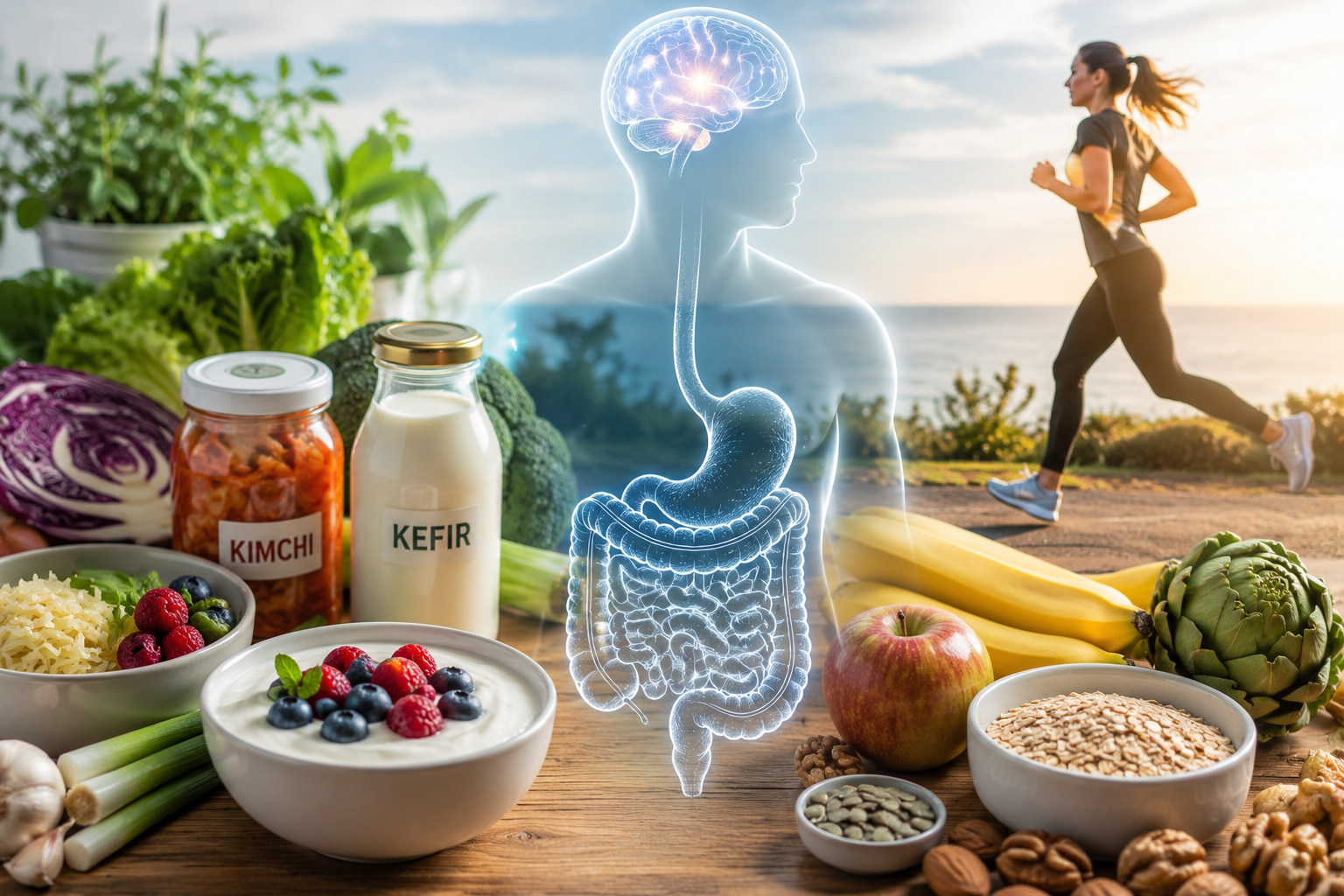
Food plays one of the biggest roles in shaping the gut microbiome over time. Rather than relying on a single “superfood,” aim to eat a wide variety of nutrient-rich foods every week. As a result, your diet provides fiber and other nutrients that help support overall digestive health.
Excellent choices include:
- Leafy green vegetables
- Broccoli
- Carrots
- Apples
- Bananas
- Berries
- Oats
- Brown rice
- Lentils
- Chickpeas
- Black beans
- Yogurt with live cultures
- Kefir
- Sauerkraut
- Kimchi
If you’re looking for more brain-friendly nutrition ideas, explore our Best Foods for Brain Health guide.
Fiber and Gut Health and Brain Health
Fiber is an important part of a balanced diet because it helps nourish beneficial gut bacteria.
There are two main types of dietary fiber:
Soluble Fiber
Soluble fiber absorbs water and forms a gel-like substance during digestion.
Foods rich in soluble fiber include:
- Oats
- Apples
- Beans
- Lentils
- Citrus fruits
Insoluble Fiber
Insoluble fiber adds bulk to stool and supports normal bowel function.
Foods rich in insoluble fiber include:
- Whole grains
- Nuts
- Seeds
- Leafy vegetables
- Cauliflower
Therefore, eating a variety of plant foods helps provide both types of fiber.
Prebiotics and Gut Health and Brain Health
Prebiotics are types of dietary fiber that serve as food for beneficial gut bacteria.
Naturally occurring prebiotics can be found in foods such as:
- Garlic
- Onions
- Leeks
- Asparagus
- Bananas
- Chicory root
- Whole grains
Instead of purchasing expensive supplements immediately, consider increasing naturally prebiotic-rich foods in your meals.
Probiotics and Gut Health and Brain Health
Probiotics are live microorganisms that are found in certain fermented foods and dietary supplements.
Common food sources include:
- Yogurt with live cultures
- Kefir
- Kimchi
- Sauerkraut
- Miso
- Tempeh
Although probiotics are widely available, not every product contains the same strains or amounts. Consequently, different products may have different intended uses.
For general nutrition guidance, visit the National Institutes of Health.
Fermented Foods for Gut Health and Brain Health
Fermented foods have been enjoyed in many cultures for centuries.
Examples include:
| Food | Naturally Fermented |
|---|---|
| Yogurt | ✓ |
| Kefir | ✓ |
| Kimchi | ✓ |
| Sauerkraut | ✓ |
| Miso | ✓ |
| Tempeh | ✓ |
While fermented foods can be part of a healthy diet, they should complement—not replace—a varied eating pattern rich in fruits, vegetables and whole grains.
Exercise and Gut Health and Brain Health
Physical activity benefits far more than muscles and the heart.
Research suggests that regular movement supports overall digestive health while also contributing to cardiovascular fitness, healthy aging and emotional well-being.
Furthermore, combining regular exercise with a nutritious diet creates a stronger foundation for lifelong health.
Learn more in our Exercise for Better Brain Function guide.
Sleep and Gut Health and Brain Health
Sleep and digestive health are closely connected.
Poor sleep may influence eating habits, while digestive discomfort may also interfere with restful sleep.
Therefore, maintaining consistent sleep habits supports overall health.
Simple sleep habits include:
- Going to bed at the same time each night
- Limiting screens before bedtime
- Keeping the bedroom cool and quiet
- Following a relaxing bedtime routine
For a complete guide, read our Sleep and Brain Health article.
Stress and Gut Health and Brain Health
Stress affects many systems throughout the body, including digestion.
Although occasional stress is a normal part of life, long-term stress may influence eating habits, sleep quality and overall well-being.
Fortunately, healthy coping strategies can help.
Examples include:
- Daily walks
- Deep breathing
- Meditation
- Yoga
- Spending time outdoors
- Talking with family or friends
Likewise, combining stress management with balanced nutrition and regular movement often provides greater benefits than relying on one strategy alone.
Sample One-Day Gut-Friendly Meal Plan
Breakfast
Oatmeal topped with berries, walnuts and plain yogurt.
Morning Snack
Banana with a handful of almonds.
Lunch
Quinoa salad with chickpeas, spinach, carrots and olive oil dressing.
Afternoon Snack
Apple with natural peanut butter.
Dinner
Grilled salmon served with brown rice, steamed broccoli and mixed vegetables.
Evening Snack
Plain kefir or unsweetened yogurt with fresh fruit.
Foods to Enjoy More Often
| Include More Often | Limit More Often |
| Fruits | Sugar-sweetened drinks |
| Vegetables | Highly processed snacks |
| Whole grains | Refined grains |
| Legumes | Excess sugary desserts |
| Nuts and seeds | Frequent fast food |
| Fermented foods | Highly processed meals |
Rather than aiming for perfection, focus on making gradual improvements over time.
Daily Habits That Support Gut Health and Brain Health
Healthy habits are often more important than any individual food.
Consider these simple daily practices:
- Eat a variety of colorful plant foods.
- Drink enough water throughout the day.
- Stay physically active.
- Prioritize quality sleep.
- Manage stress in healthy ways.
- Include fiber-rich foods at most meals.
- Enjoy fermented foods when appropriate.
- Limit highly processed foods.
As these habits become routine, they can contribute to better overall wellness.
Expert Tips for Gut Health and Brain Health
Building a healthy gut takes time.
Instead of searching for quick fixes, focus on consistent habits that you can maintain for years.
For example:
- Add one extra serving of vegetables each day.
- Replace refined grains with whole grains.
- Walk after meals when possible.
- Include beans or lentils several times each week.
- Sleep on a consistent schedule.
Overall, small changes repeated consistently often have a greater long-term impact than dramatic short-term diets.
Frequently Asked Questions About Gut Health and Brain Health
What is the connection between gut health and brain health?
Gut health and brain health are connected through the gut-brain axis, a communication network linking the digestive system and the brain. This communication involves nerves, hormones, the immune system and the gut microbiome. Consequently, researchers continue to study how these systems work together to support overall health.
What is the gut microbiome?
The gut microbiome is the community of trillions of microorganisms that naturally live in the digestive tract. Many of these microbes help digest food, produce certain vitamins and support normal immune function.
Can improving gut health improve brain health?
A healthy gut is one part of an overall healthy lifestyle. While no food or supplement can guarantee better brain function, maintaining a balanced diet, staying physically active, sleeping well and managing stress all contribute to overall well-being.
Which foods support gut health and brain health?
Foods that can be included as part of a gut-friendly eating pattern include:
- Fruits
- Vegetables
- Whole grains
- Legumes
- Nuts
- Seeds
- Yogurt with live cultures
- Kefir
- Fermented vegetables
For more nutrition ideas, visit our Best Foods for Brain Health guide.
Are probiotics necessary for everyone?
Not necessarily. Many people obtain beneficial bacteria through fermented foods and a varied diet. However, probiotic supplements may be appropriate in certain situations after advice from a qualified healthcare professional.
What are prebiotics?
Prebiotics are types of dietary fiber that help nourish beneficial gut bacteria. Foods such as onions, garlic, bananas, asparagus and oats naturally contain prebiotics.
Does exercise affect gut health?
Yes. Regular physical activity supports overall digestive health while also contributing to cardiovascular fitness, healthy aging and general well-being.
Learn more in our Exercise for Better Brain Function guide.
Does sleep affect the gut?
Sleep and digestive health influence one another. Therefore, maintaining consistent sleep habits is an important part of supporting overall wellness.
For additional guidance, explore our Sleep and Brain Health article.
Can stress affect the digestive system?
Yes. Stress may influence digestion, appetite and eating habits. Fortunately, healthy coping strategies such as exercise, mindfulness and adequate sleep can support overall well-being.
How long does it take to improve gut health?
Everyone is different. Rather than expecting overnight results, focus on building healthy habits that you can maintain over time. Consistency is usually more important than perfection.
Myth vs. Fact About Gut Health and Brain Health
Myth: Taking probiotics alone will fix gut health.
Fact: A healthy gut depends on many lifestyle factors, including a balanced diet, regular exercise, quality sleep, stress management and adequate hydration.
Myth: Gut health only affects digestion.
Fact: Researchers continue to study how the gut microbiome interacts with the immune system, nervous system and other body systems through the gut-brain axis.
Myth: You should eliminate entire food groups for a healthy gut.
Fact: Unless medically advised, a varied and balanced eating pattern is generally recommended because it provides a wider range of nutrients and dietary fiber.
Myth: Healthy gut bacteria come from supplements only.
Fact: Fermented foods and a fiber-rich diet also contribute to a healthy eating pattern that supports the gut microbiome.
Key Takeaways
- Gut health and brain health are connected through the gut-brain axis.
- A diverse, fiber-rich diet helps support a healthy gut microbiome.
- Fruits, vegetables, legumes, whole grains and fermented foods can all be part of a gut-friendly eating pattern.
- Regular exercise, quality sleep and effective stress management complement healthy nutrition.
- No single food or supplement can replace long-term healthy lifestyle habits.
- Small, consistent improvements often lead to more sustainable results than quick-fix approaches.